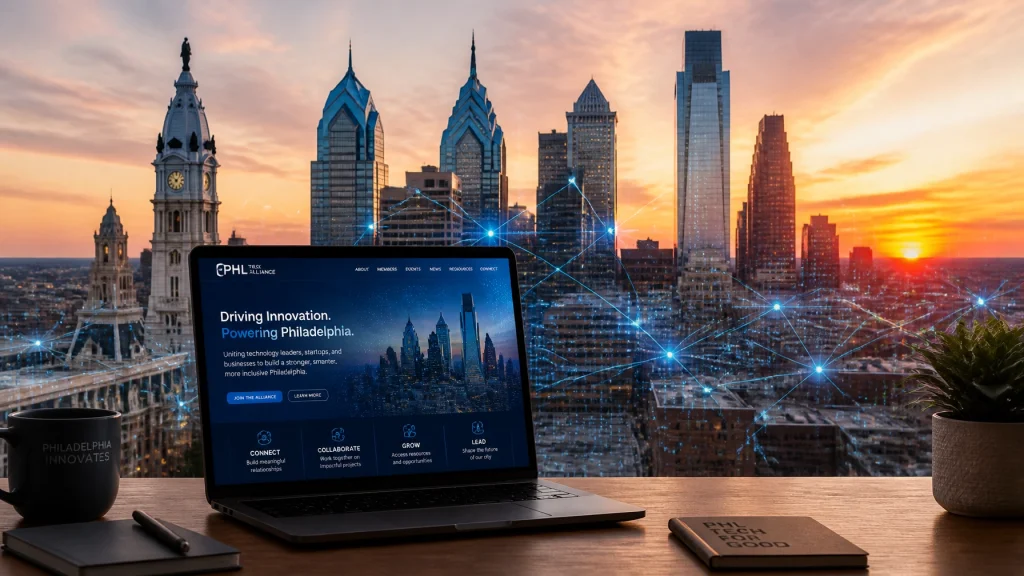
If you’re running a business in Philadelphia: whether it’s a boutique in Rittenhouse Square or a growing B2B firm in King of Prussia: you’ve likely noticed that the digital landscape has shifted under your feet. It’s no longer 2022. It’s 2026, and the "standard" website stack that worked five years ago is now officially a dinosaur.
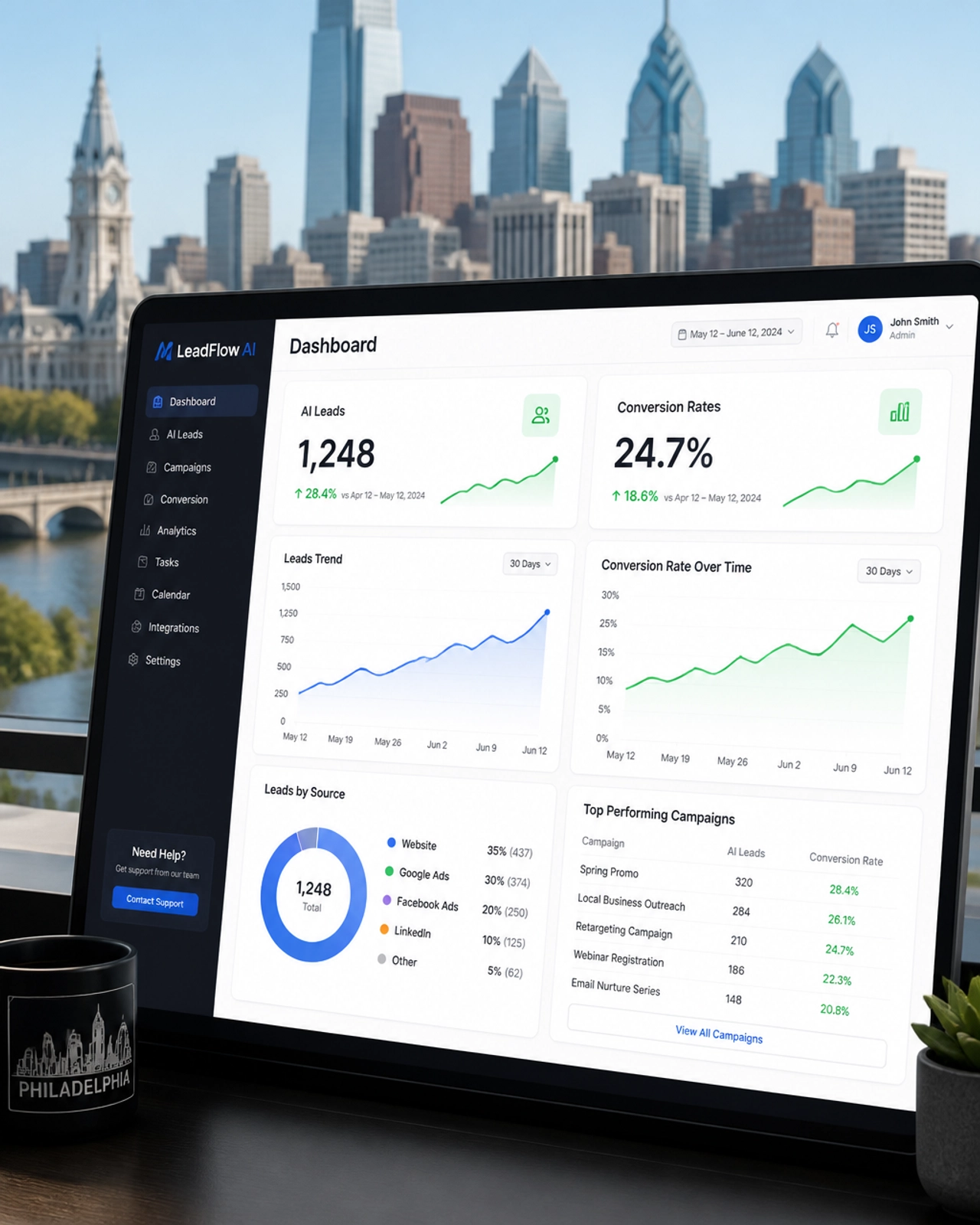
Gone are the days when a simple WordPress install and a basic contact form were enough to compete. Today, your website isn’t just a digital brochure; it’s a living, breathing employee that needs to think, react, and automate. If your current web design company is still talking about "simple themes" and "basic plugins," it’s time to look under the hood.
At BENT Enterprise, we’ve spent the last few years helping local and national brands transition into this new era. Here is exactly what the ultimate 2026 website stack looks like: and why each piece is non-negotiable for your growth.
1. The Foundation: Headless CMS and Performance First
In 2026, speed isn't just a metric; it's a revenue driver. If your site takes more than a second to load, you're losing money. The modern stack has moved toward headless and hybrid CMS architectures.
Unlike traditional platforms where the "front" and "back" of the site are glued together, a headless setup allows your content to be served via API. This means your site can be incredibly fast, incredibly secure, and perfectly optimized for mobile devices. When we talk about Custom Web Design, we’re talking about building a tailored frontend that pulls data from a secure, scalable backend.
Why it matters for Philly businesses:
Local competition is fierce. When someone searches for your services while walking down Broad Street, a site that loads instantly on their 5G connection wins every time. Plus, a decoupled architecture is much harder to hack, giving you the security you need in a high-threat digital world.

2. The Brain: Deep AI Integration
If AI is an "add-on" for your website, you’re doing it wrong. In 2026, AI is the core layer. A modern website stack uses AI to handle the heavy lifting of customer interaction and data processing.
- Semantic Search: Instead of simple keyword matching, your site should use vector-based search to understand what a user means. If a visitor asks your site "How do I fix my plumbing in South Philly?", the AI should provide a direct, helpful answer based on your content, not just a list of links.
- AI Content Pipelines: We utilize AI content workflows that don't just generate "spam," but rather scale high-quality, research-backed articles that rank and convert.
- Agentic Chatbots: These aren't the annoying pop-ups of 2020. Today’s AI assistants can book appointments, qualify leads, and even troubleshoot customer issues without a human lifting a finger.
Check out our AI Automation and Integrations page to see how we turn websites into self-operating machines.
3. The Visibility: AI-Enhanced Local SEO
Search has changed. Google’s SGE (Search Generative Experience) and AI-driven map packs mean your SEO strategy can't be static. The 2026 stack includes Schema 2.0 and real-time data feeds that tell search engines exactly what you do, where you are, and why you’re the best in the city.
Local SEO now involves more than just citations; it involves feeding the LLMs (Large Language Models) the right signals so that when someone asks an AI assistant for a recommendation, your business is the one it suggests. We've developed specific enhancements for AI-Local SEO that ensure your brand stays visible in this new "Answer Engine" era.
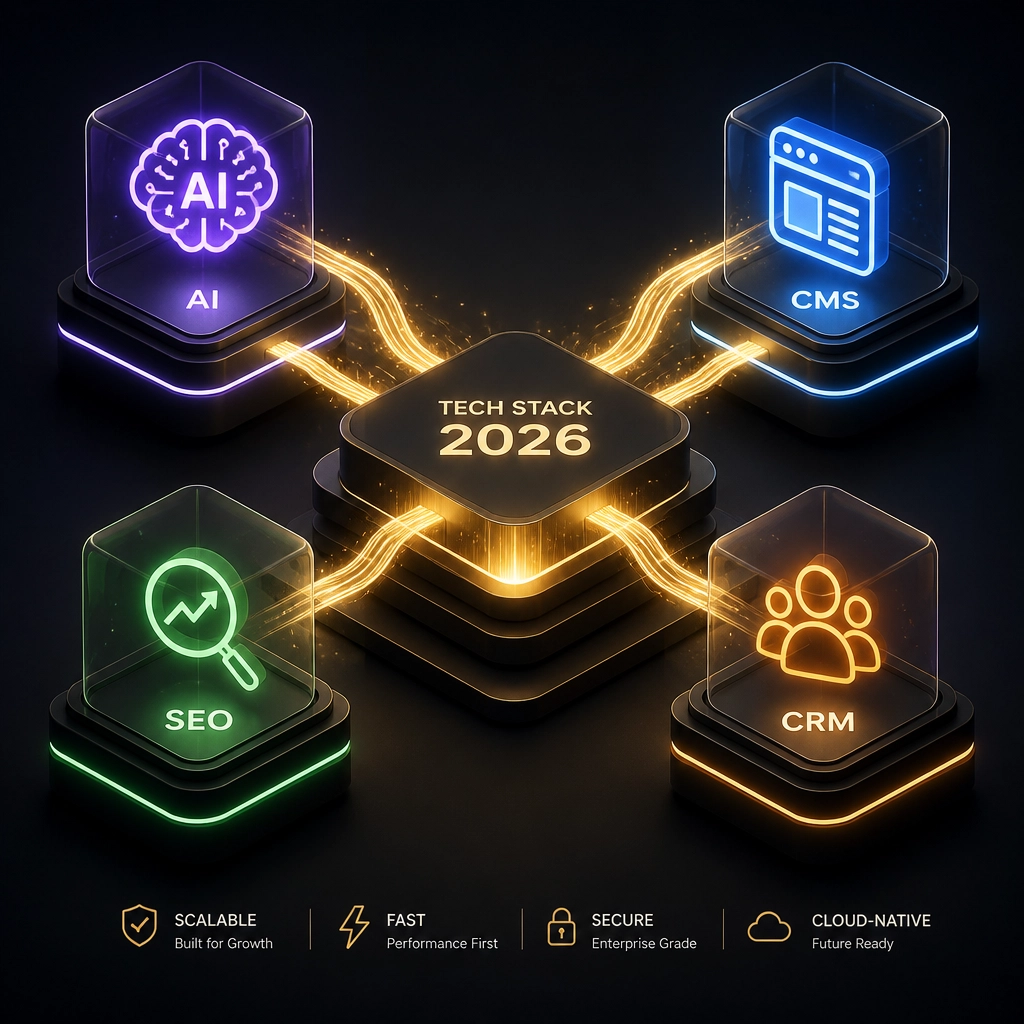
4. The Glue: Seamless CRM & Automation
Your website should be the primary driver of your sales pipeline. In the 2026 stack, every form, click, and interaction is instantly synced to your CRM.
- Zero-Leads-Left-Behind: When a lead hits your site, they should be instantly scored by AI and funneled to the right person or automated sequence.
- Personalization at the Edge: Using first-party data, your site can change its messaging in real-time. A returning customer from Fishtown might see a different hero image and offer than a first-time visitor from New York.
- Automated Follow-ups: The moment a form is filled out, an automated, personalized response (that doesn't sound like a robot) should be sent. This keeps the lead warm while you're busy running your business.
5. Security and Maintenance: The "Set It and Forget It" Myth
One of the biggest mistakes businesses make is thinking a website is a one-time purchase. In 2026, security threats are automated and faster than ever. Your stack must include proactive Maintenance and Security. This includes zero-trust access protocols, encrypted logs, and automated daily backups.
While hosting is the foundation of where your site lives, the stack is about how that site is managed. We handle the technical heavy lifting so you can focus on your actual work.
Why Philadelphia Businesses Choose BENT Enterprise
We aren't just another agency in the suburbs. We are deep in the Philadelphia market, and we understand that local businesses need tools that actually work: not just flashy tech for the sake of tech.
The 2026 website stack is about efficiency, visibility, and conversion. Whether we are building a 100-page SEO powerhouse or a sleek ecommerce platform, our goal is to make sure your website is the hardest-working member of your team.
Is Your Current Stack Holding You Back?
If you're not sure if your website is using the latest in AI automation, headless architecture, or advanced SEO, let’s have a chat. We can audit your current setup and show you exactly where you can automate and grow.
Ready to upgrade your business for 2026? Contact BENT Enterprise today and let’s build something that works as hard as you do.