
If you’re running a business in Philadelphia, whether it’s a boutique law firm in Center City, a high-growth tech startup in University City, or a beloved family-owned restaurant in South Philly, the way you build your website has fundamentally changed.
Gone are the days when a "website" was just a digital brochure that sat there looking pretty. In 2026, your website is the engine of your business. It’s your 24/7 salesperson, your administrative assistant, and your primary lead generator. But to make it work, you need more than just a template; you need a "stack."
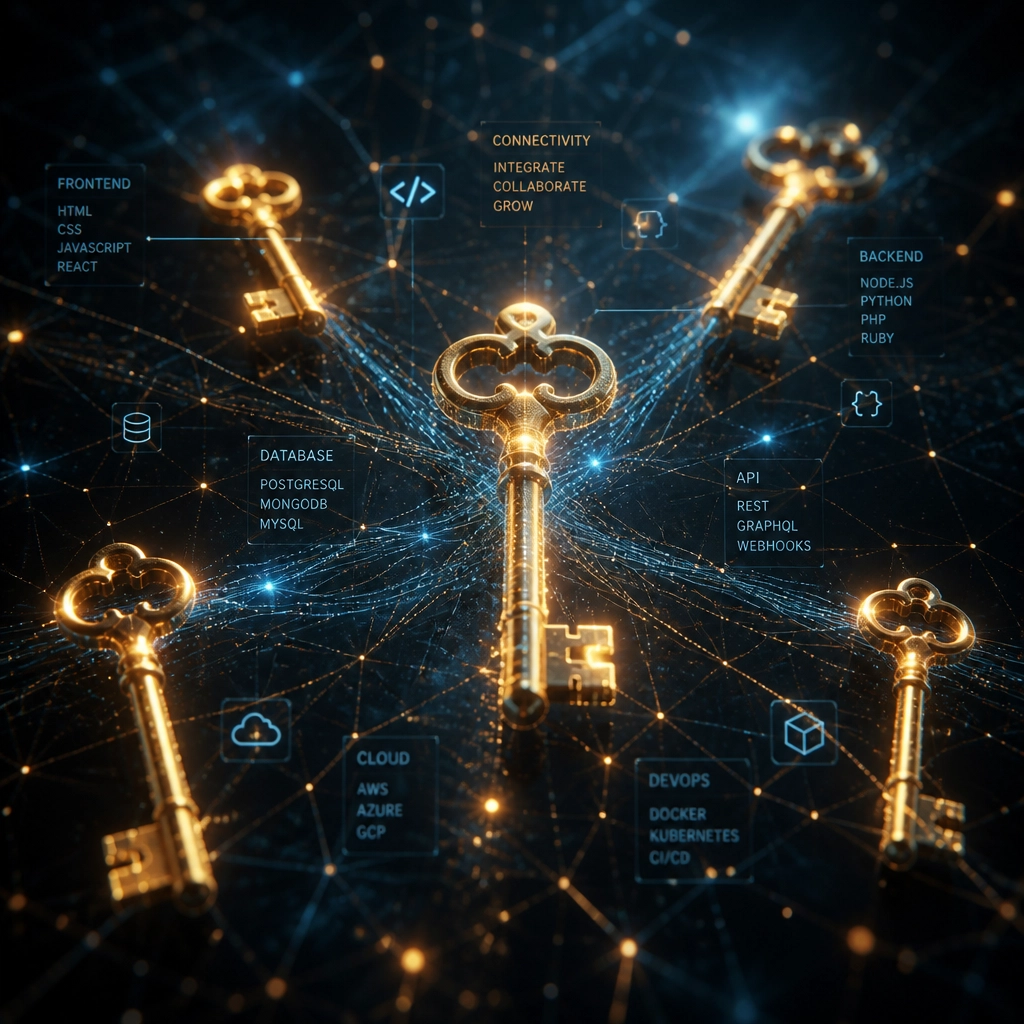
A website stack is the collection of technologies used to build and run your site. Choosing the right one in 2026 isn't about following the loudest trend; it’s about choosing tools that talk to each other, leverage AI, and actually help you scale without adding more manual work to your plate.
At BENT Enterprise, we’ve spent years refining what we call the "Integrated Stack." Here’s how to choose the best one for your Philadelphia business.
1. The Foundation: Picking a Modern CMS
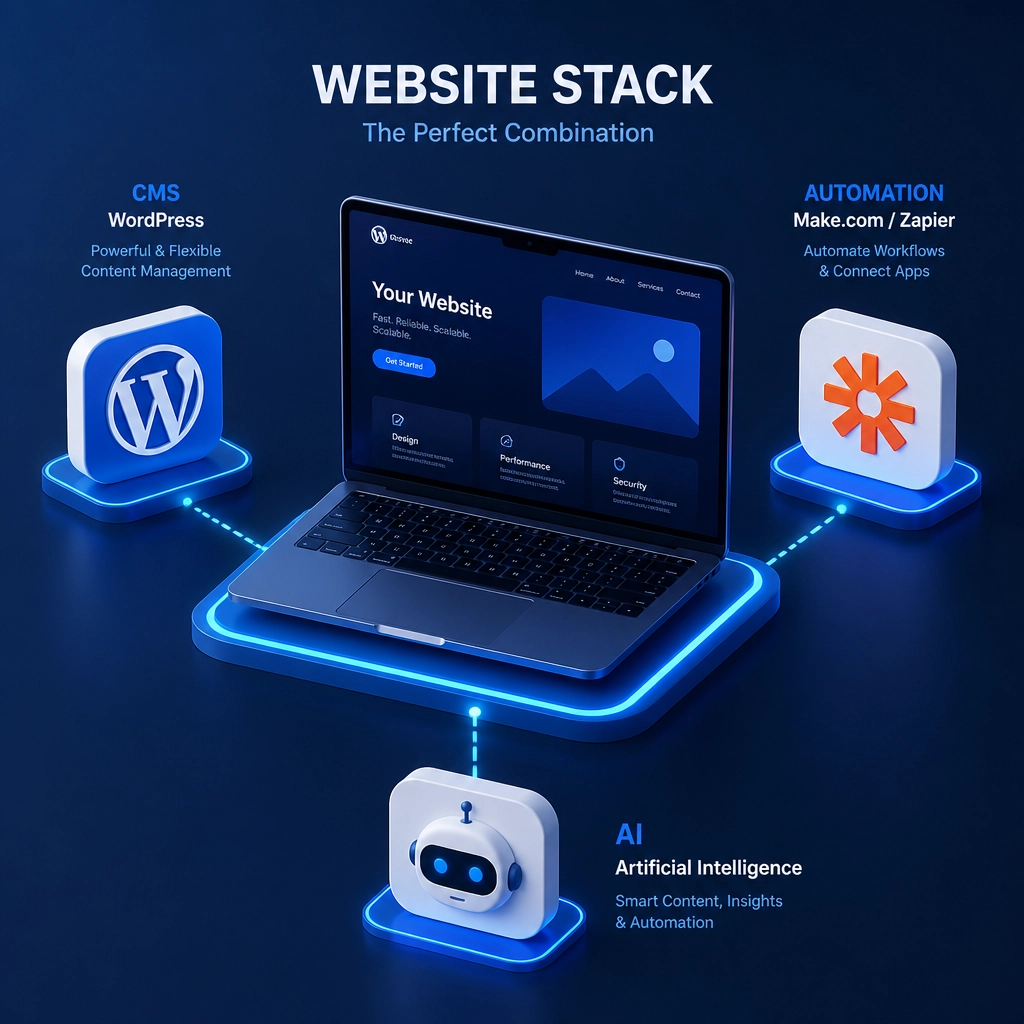
The Content Management System (CMS) is the bones of your site. In 2026, the "best" CMS is the one that gives you design freedom while remaining open to integrations.
While there are dozens of builders out there, we typically recommend two paths for Philly businesses:
- Custom WordPress (The Scalable Powerhouse): Not the bloated WordPress of 2015. We’re talking about a lean, custom-coded WordPress environment designed for high-performance Custom Web Design. It remains the king because of its massive ecosystem of plugins that now integrate natively with AI models.
- Webflow (The Designer’s Choice): If you want ultra-fast, pixel-perfect visuals and a cleaner backend without managing updates, Webflow is a top-tier contender. It’s perfect for brands that want to lead with AI-powered UX.
What to Avoid: Stay away from "closed" builders that make it impossible to export your data or connect to third-party AI tools. If your builder doesn't have a robust API, it's a liability.
2. The Intelligence Layer: AI Integrations
In 2026, a website without AI is like a car without an engine. You don't just want a "chatbot"; you want an integrated intelligence layer that understands your business.
Your 2026 stack should include:
- Semantic Search & FAQ Assistants: Tools like Claude or custom GPT agents that can scan your site and answer customer questions in real-time, matching the specific "Philly vibe" of your brand.
- AI Content Engines: Tools that help you draft local landing pages and blog posts by analyzing what’s currently ranking on Google for Philadelphia-specific keywords.
- Dynamic Personalization: Systems that change the content of your site based on whether the visitor is a first-time browser from Manayunk or a returning client from the Main Line.
Integrating these isn't just about "cool tech." It's about AI Automation that handles the boring stuff so you can focus on running your business.
3. The Automation Layer: Connecting the Dots
This is where most Philadelphia businesses drop the ball. They have a great website and a great CRM, but the two don't talk to each other.
In a modern stack, you use an "orchestrator" like Make.com or Zapier. When a lead fills out a form on your site, the stack should automatically:
- Verify the email address.
- Add them to your CRM (like HubSpot).
- Send a personalized follow-up based on their specific inquiry.
- Notify your sales team on Slack.
If you are still manually copy-pasting lead info from an email notification into a spreadsheet, your stack is broken. For a deeper dive into how this works locally, check out our guide on the 2026 Philadelphia Website Stack.
4. The Visibility Layer: Local SEO & Performance
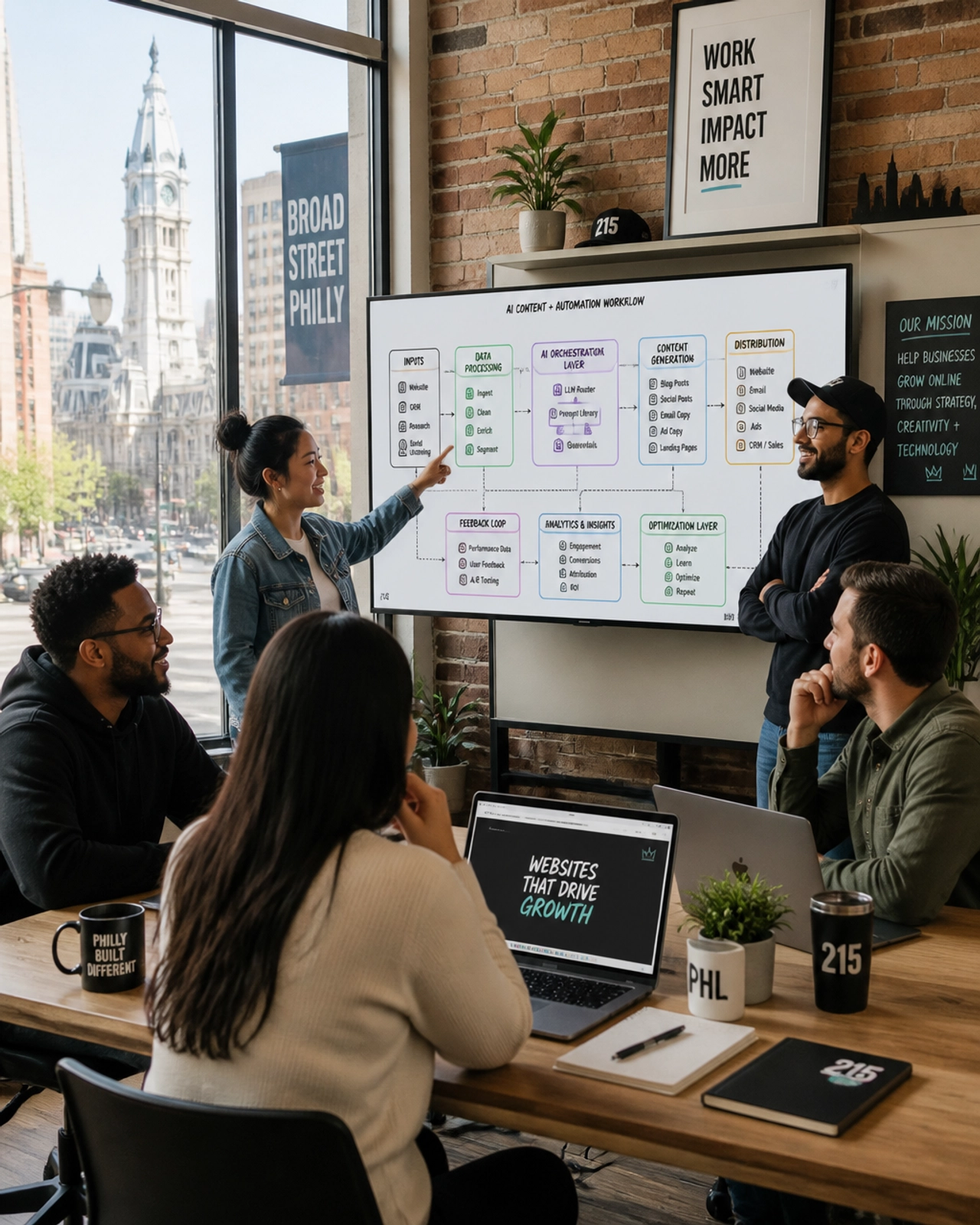
You could have the best tech in the world, but if nobody in Philly can find you, it doesn't matter. Your stack must be built for Local SEO.
In 2026, SEO is less about keyword stuffing and more about Schema Markup and Core Web Vitals.
- Automated Schema: Your website should automatically generate structured data that tells Google exactly what you do, where you are located (hello, Philly neighborhoods!), and what your customers think of you.
- Speed is Revenue: Google’s 2026 algorithms prioritize "Instant Load" experiences. Your stack needs a lean codebase and a global CDN (Content Delivery Network), though you should ensure your primary hosting foundation is optimized for the East Coast to reduce latency for local visitors.
5. The CRM & Sales Layer: Turning Traffic into Cash
Your website stack isn't complete until it connects to your revenue tools. Whether you use HubSpot, Salesforce, or a specialized AI CRM, the connection needs to be seamless.
We often see businesses try to use "All-in-One" platforms that claim to do everything (website, email, CRM, payments). The problem? These platforms are usually "mediocre-at-everything." In 2026, the winning strategy is a "Best-in-Breed" stack: using the best CMS, the best CRM, and the best Automation tool, and letting them talk to each other through APIs.
Why Philadelphia Businesses Trust BENT Enterprise
Choosing a stack is overwhelming. You’re an expert in your business: not in API documentation or headless CMS architecture. That’s why we exist.
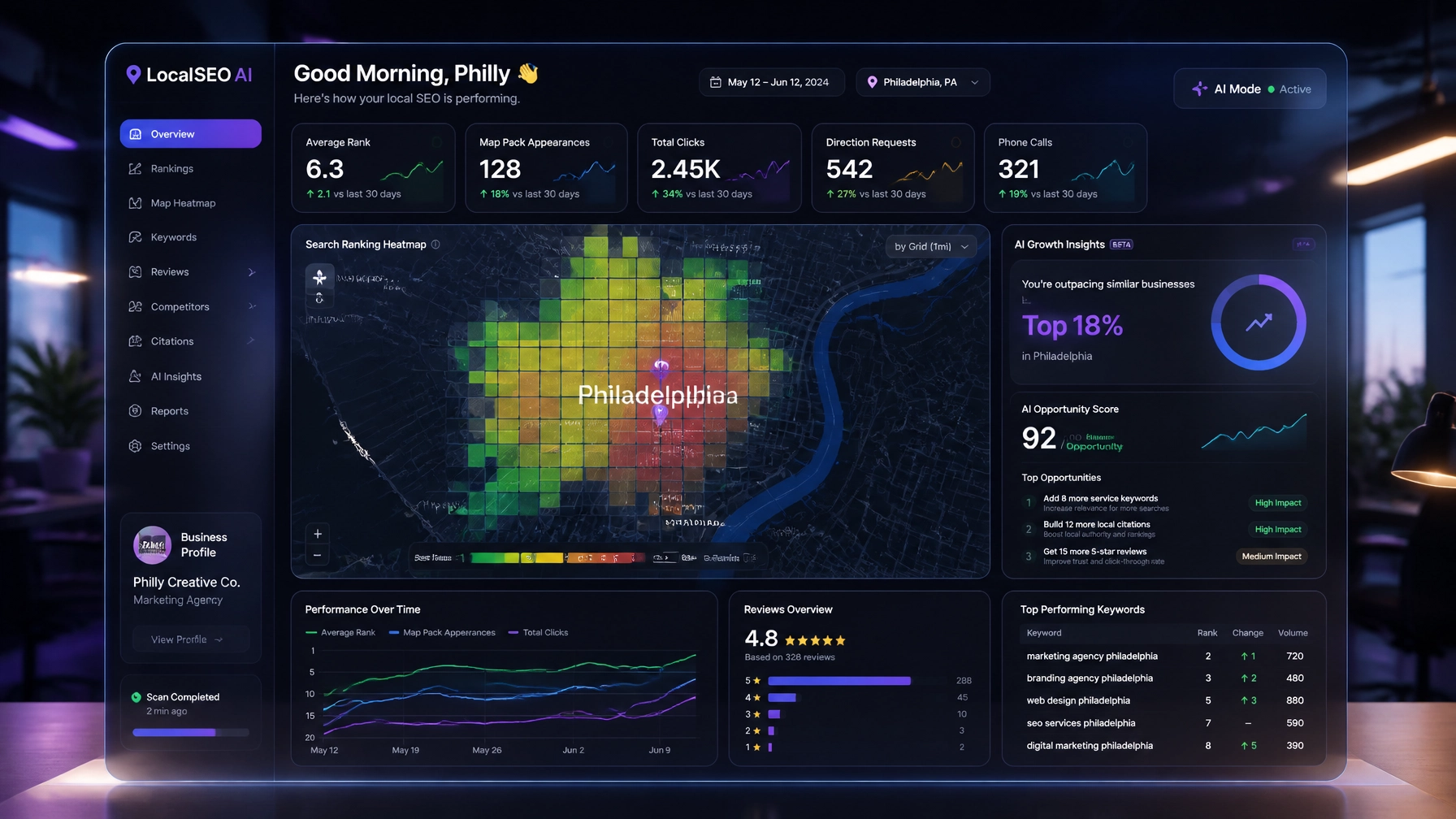
BENT Enterprise doesn't just build websites; we build business engines. We understand the Philadelphia market, the local competition, and the specific technological hurdles small businesses face today. We help you move from a "disconnected" mess of tools to a unified, automated, AI-powered growth machine.
Ready to Upgrade Your Stack?
If your current website feels like a relic from 2020, it’s time for a change. Don't let your competitors in the Greater Philadelphia area outpace you because they adopted AI and automation faster.
Contact BENT Enterprise today for a free audit of your current website stack. Let's build something that works as hard as you do.
Related BENT services: web design services, AI automation systems, technical SEO services.