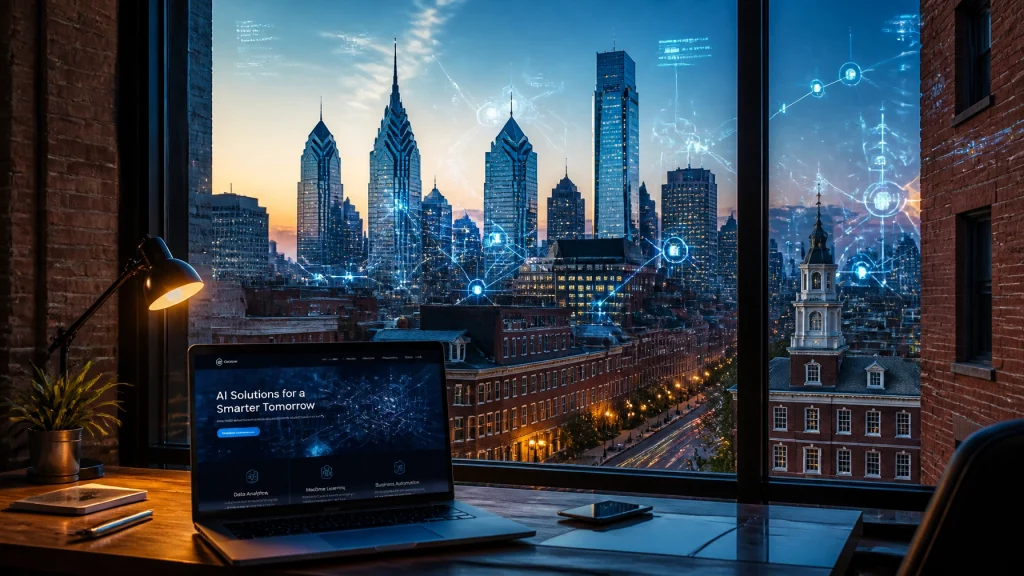
If you’re running a business in Philadelphia: whether it’s a boutique in Rittenhouse Square, a landscaping crew in Bucks County, or a tech startup in University City: the year 2026 has likely thrown you some curveballs. The "digital brochure" era is officially dead. In its place, we have a world where your website is either a high-performance operations engine or a dusty digital paperweight.
At BENT Enterprise, we’ve spent the last few years helping local brands navigate this shift. We’ve seen what works (spoiler: it involves a lot of automation) and what causes businesses to bleed money. If your current website stack feels like it was glued together with 2019 technology and a prayer, it’s time for an upgrade.
In this guide, we’re breaking down the 2026 Website Stack. We'll look at the tools that will actually move the needle for your Philly-based business and the legacy "bloatware" you need to drop immediately.
What is a "Website Stack" in 2026?
Gone are the days when a "stack" just meant your hosting provider and WordPress. Today, your stack is the collection of integrated tools that handle your customer’s journey from the first Google search to the final invoice. It includes your content engine, your lead capture, your CRM (Customer Relationship Management), and your automation layer.
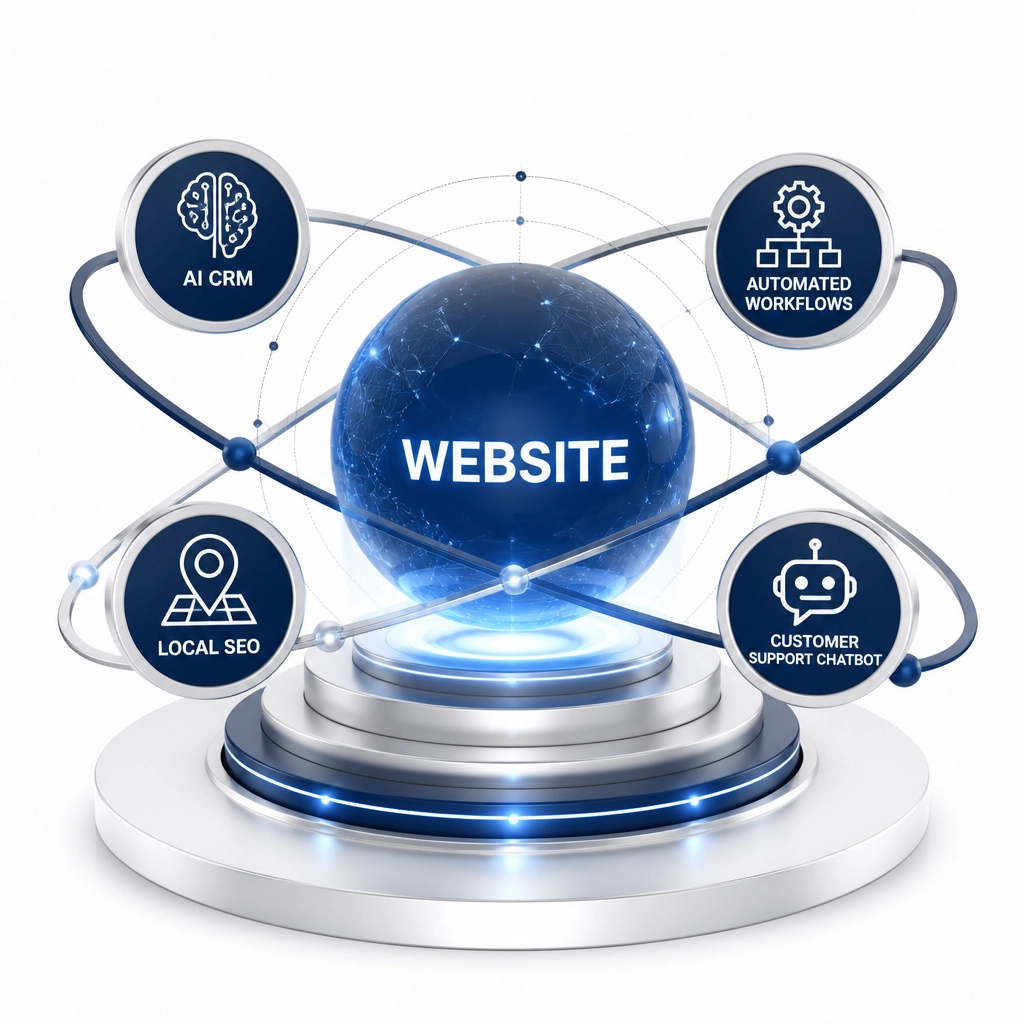
For a modern business, these tools shouldn't just exist alongside each other; they should talk to each other. When they don’t, you end up with the "Disconnected Tool Tax": a hidden cost of manual data entry and missed opportunities that we’ve talked about before.
If you want to stay competitive, especially in a market as localized and fast-paced as Philadelphia, you need to be using Custom Web Design that prioritizes integration over decoration.
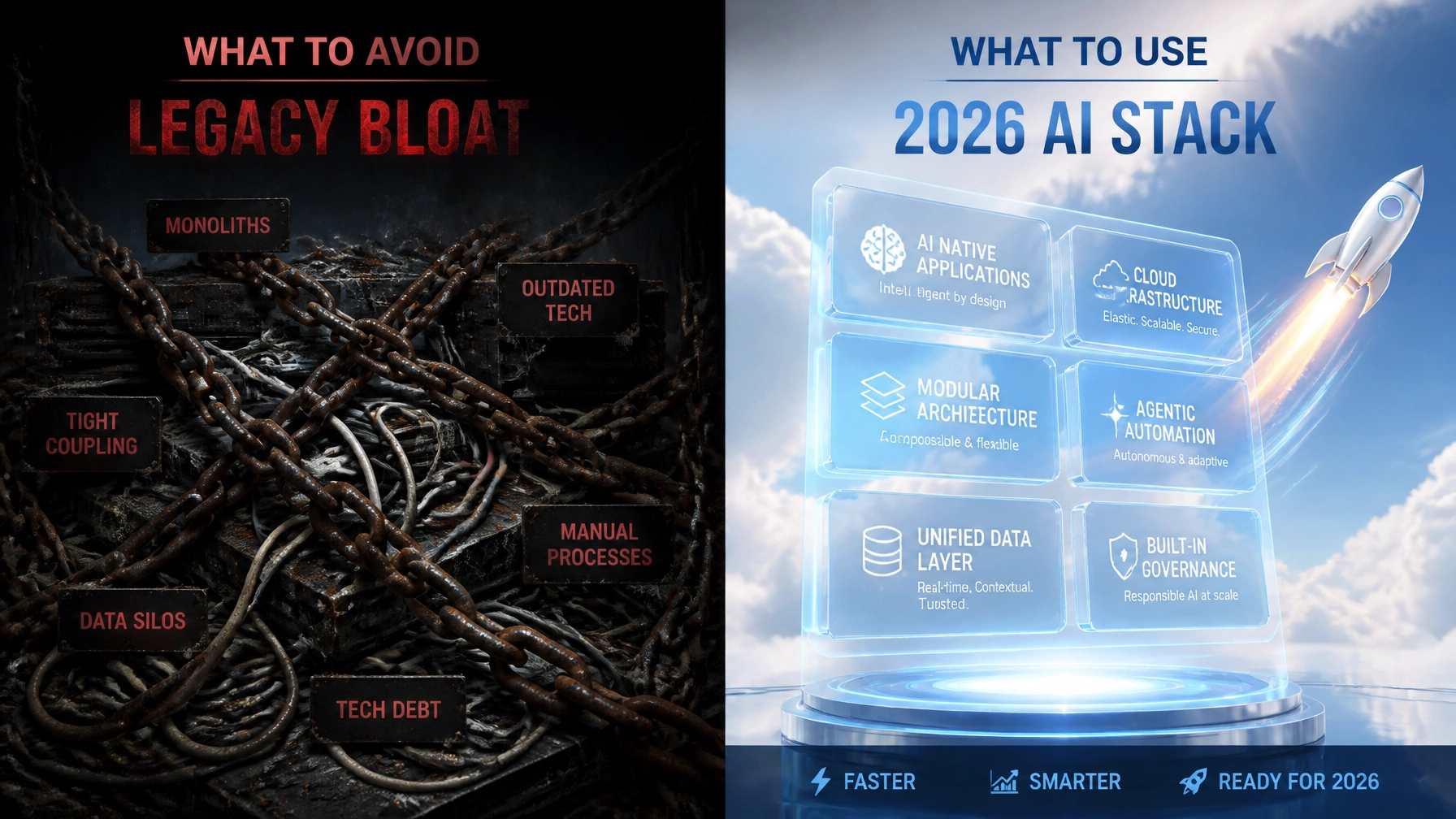
The "Must-Haves": What You Should Use
If you’re building or upgrading your site this year, these four pillars are non-negotiable.
1. An AI-First CMS (Content Management System)
Your website needs to be built on a platform that doesn't just "support" AI but is built to leverage it. In 2026, the best systems allow for dynamic content personalization. This means if a visitor from Fishtown lands on your site, they see different content than someone visiting from the Main Line.
Why it matters: Generic messaging doesn't convert anymore. Your CMS should easily connect to your data sources to show the right message at the right time.
2. The "Lead Machine" Intake System
Stop using basic contact forms that just send an email to your inbox (where they likely get buried). The 2026 stack uses AI-Powered Intake Forms that qualify leads in real-time.
When a lead fills out a form, the system should:
- Score the lead based on their answers.
- Automatically add them to your CRM.
- Trigger a personalized follow-up via email or SMS.
- Alert your team via Slack or Microsoft Teams.
This is the core of AI Automation for Small Business, and it’s the difference between closing a deal and losing it to the guy down the street who responded five minutes faster.
3. Hyper-Local SEO Intelligence
Philadelphia is a city of neighborhoods. If your SEO strategy is just "Philadelphia [Service]," you’re missing out. The 2026 stack includes AI tools that monitor local search trends and adjust your content to target specific zip codes and neighborhood landmarks.
Winning the "Map Pack" requires more than just luck; it requires a systematic approach to Local SEO & AI. Your website should be generating localized landing pages and schema markup that tells search engines exactly where you are and what you do.
4. Workflow Automation (The "Glue")
Whether it’s n8n, Zapier, or a custom-coded webhook, you need a tool that acts as the glue between your website and your back-office tools (like QuickBooks, Google Calendar, or your project management software). This ensures that when a sale happens on your site, the rest of your business knows about it instantly without you lifting a finger.
The "Trash Heap": What to Avoid in 2026
To make room for the new stuff, you have to let go of the old habits that are dragging your performance down.
1. Bloated "All-in-One" Builders
We’ve all seen them: those heavy, plugin-dependent page builders that promise "easy design" but result in a website that takes five seconds to load on a mobile phone. In 2026, Google (and your customers) have zero patience for slow sites.
The Verdict: Avoid any platform that requires 50+ plugins to function. Lightweight, clean code is king. If your site isn't hitting those Core Web Vitals, your ranking will tank.
2. Manual Lead Handling
If your process for handling a new lead involves "Check email -> Copy name -> Paste into Excel -> Send manual reply," you are working too hard for too little reward. Manual data entry is the #1 killer of small business growth. It’s prone to human error and it’s incredibly slow.
Your website should not be a brochure; it should be the hub of your business systems.
3. Generic AI Content
Yes, we love AI. But "Generic AI" is the new spam. If you’re just hitting "Generate" and posting 2,000-word articles that sound like a robot wrote them, search engines will eventually find and penalize you.
The Verdict: Use AI to build the structure and data, but keep the voice local. Mentioning specific Philly streets, local events, and actual customer stories is what builds trust. AI is a tool, not a replacement for your brand's personality.
4. Disconnected Lead Forms
Avoid forms that don't talk to a CRM. Period. If your data lives in your "Sent" folder, it’s basically gone. You can't run retargeting ads, you can't send automated holiday greetings, and you certainly can't track your ROI effectively.
The Philadelphia Advantage: Why Local Context Wins
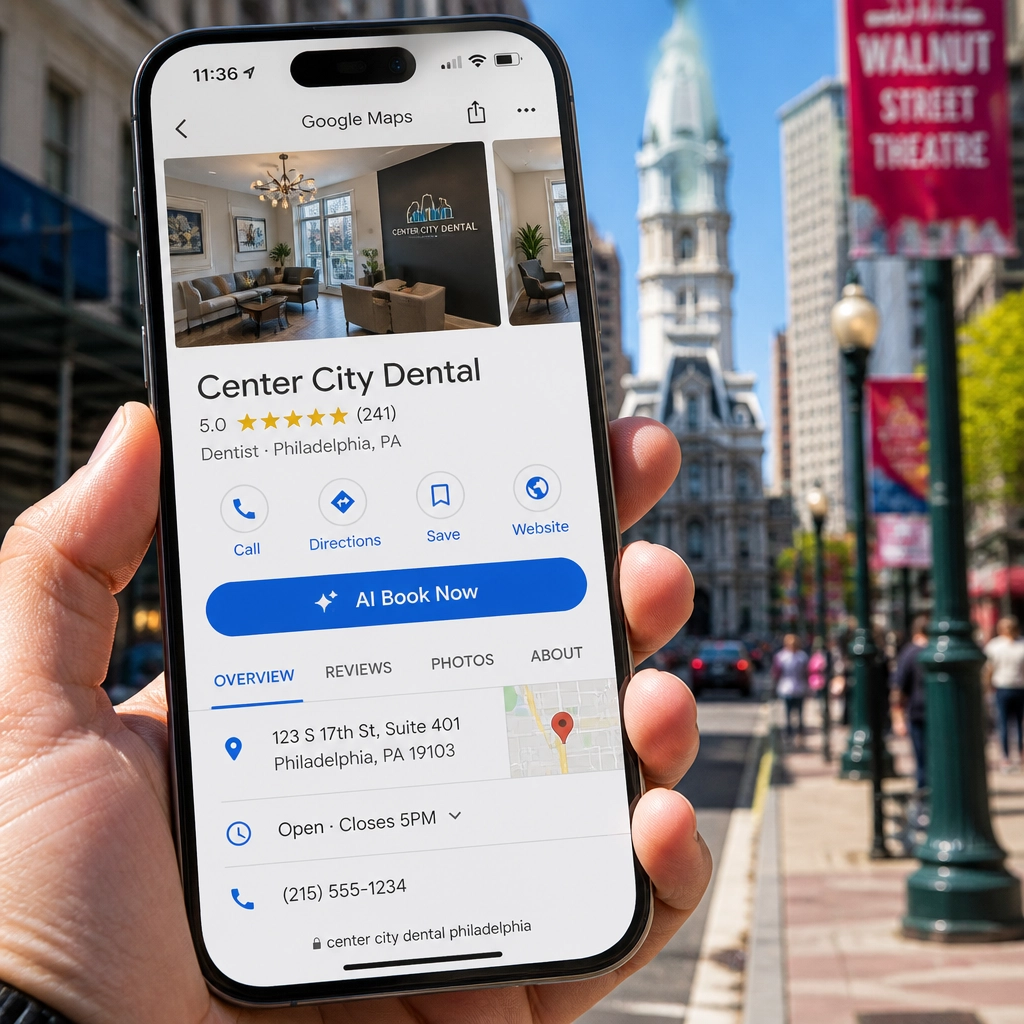
Why do we keep mentioning Philadelphia? Because the local market has a unique rhythm. Philly customers value authenticity and responsiveness. They want to know that the contractor or lawyer they're hiring is actually part of the community.
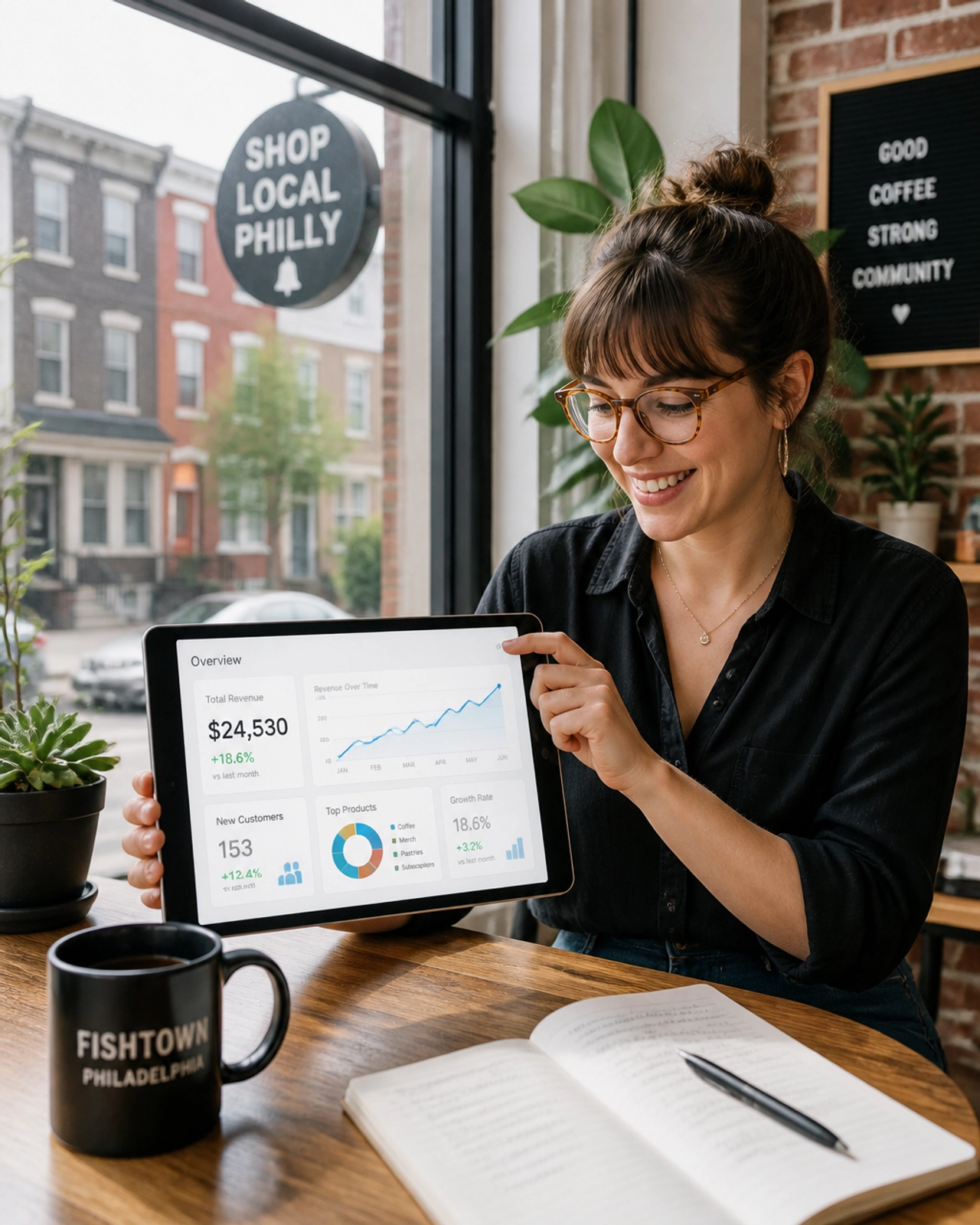
In 2026, your website stack allows you to scale that "local feel." By automating the boring stuff (data entry, scheduling, basic FAQs), you free up your time to actually talk to your neighbors and provide the high-touch service that Philadelphia is known for.
When your website is integrated with Local SEO systems, you aren't just visible on a map; you’re visible in the moments that matter to local customers.
How to Start Upgrading Your Stack
You don't have to overhaul everything overnight. In fact, we usually recommend a 30-day "Smart Upgrade" plan.
- Audit Your Forms: See where your leads are actually going. If they aren't landing in a CRM, fix that first.
- Check Your Speed: If your site takes more than 2 seconds to load on a 5G connection in Center City, you have a bloat problem.
- Implement One Automation: Connect your website form to your calendar or your email marketing tool. Just one. See how much time it saves you.
- Go Local with Content: Update your "About" page or your service pages to include Philadelphia-specific landmarks and neighborhoods.
Ready to Build a Smarter Website?
The 2026 stack is about more than just looking good; it’s about working hard. At BENT Enterprise, we specialize in building these integrated "lead machines" for businesses right here in Philly and across the country.
Whether you need a full Custom Web Design or you want to start implementing AI Automation, we’re here to help you stop fighting your tools and start growing your business.
Let’s get your stack sorted. Contact BENT Enterprise today and let’s talk about your 2026 digital strategy.