

Remember when having a website meant slapping your phone number, address, and a few stock photos onto a page and calling it a day? Yeah, those days are long gone.
If you're running a small business in Philadelphia: or anywhere, really: your website has to do a lot more heavy lifting than it used to. It's not just a digital business card anymore. It's the command center for how you interact with customers, manage leads, take payments, and keep your business running smoothly.
Let's talk about what that actually means and how you can make sure your website is pulling its weight.
The Old Way: Brochure Websites
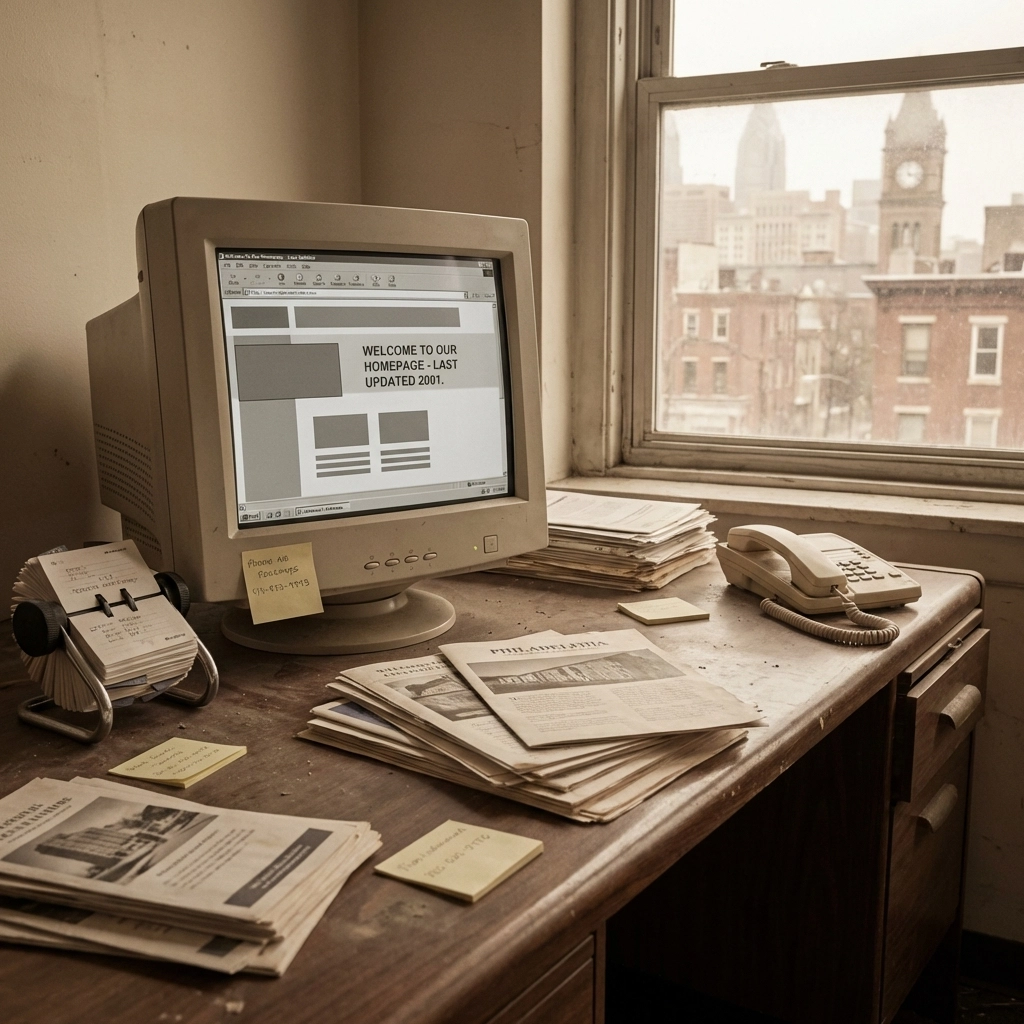
Back in the day, most small business websites were basically online brochures. They listed your services, maybe had a contact form, and that was about it. If someone wanted to book an appointment or ask a question, they had to call you. If you wanted to track where your leads were coming from, good luck: you were flying blind.
These static websites served a purpose for a while, but they created a lot of manual work. You'd get an email from the contact form, then manually enter that info into a spreadsheet or CRM. Payments happened separately. Customer follow-ups were hit or miss. Everything was disconnected.
For a lot of Philadelphia small businesses, this setup just doesn't cut it anymore. Customers expect more, and your competitors are already catching up.
The New Reality: Your Website as a Business Hub
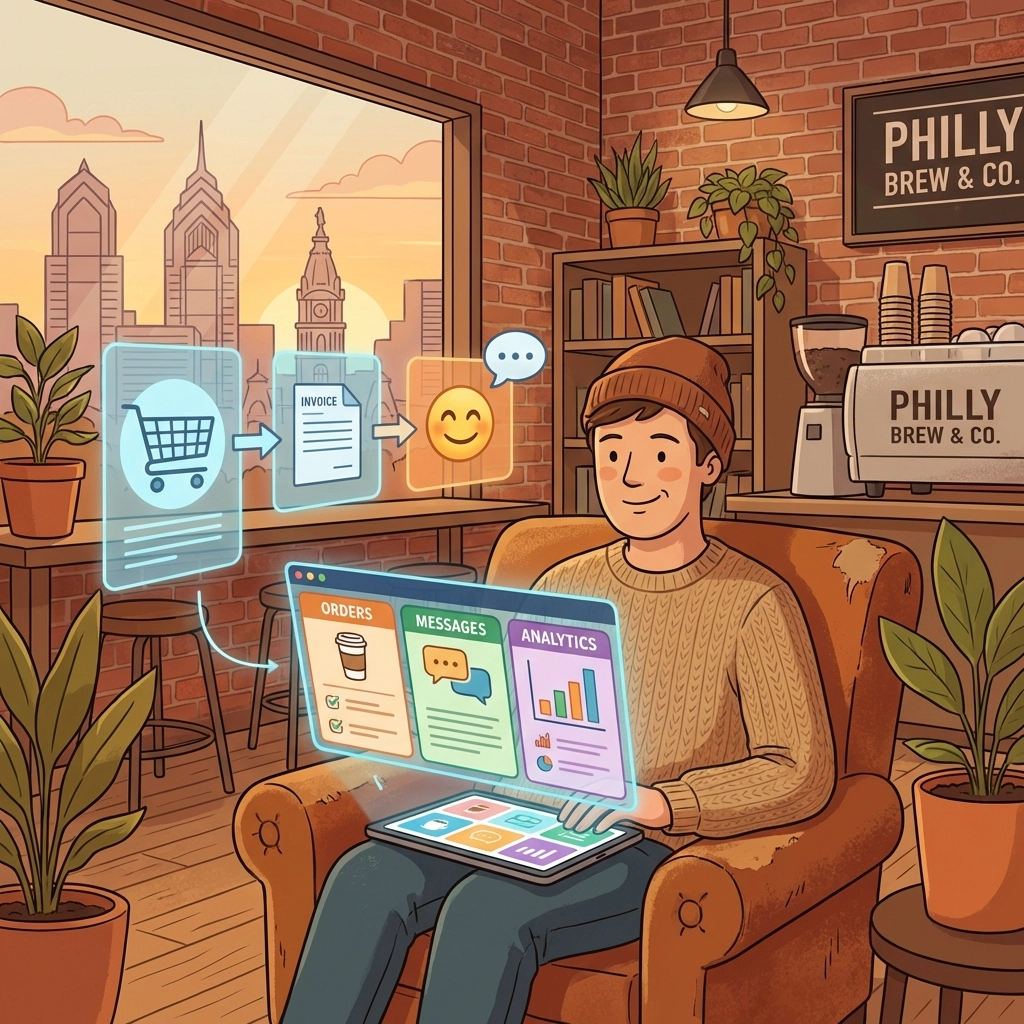
Here's what's changed: modern websites now function as integrated business system hubs. Instead of being an isolated marketing channel, your website connects directly to your CRM, email marketing platform, payment systems, scheduling tools, analytics, and even AI-powered chatbots.
What does that look like in practice? When a customer fills out a form on your site, their info automatically flows into your sales pipeline. When they make a purchase, it syncs with your inventory and accounting software. When they have a question at 2 AM, an AI chatbot can handle basic support without you lifting a finger.
This isn't futuristic stuff: it's happening right now. And if your website isn't set up this way, you're leaving money and efficiency on the table.
If you're not sure where your website stands, our team at BENT Enterprise can help. Check out our website development services to see how we build sites that actually work for your business.
Why This Matters for Philadelphia Small Businesses
Running a small business in Philly means you're probably wearing a dozen hats. You don't have time to manually copy customer info from one system to another or chase down payments that fell through the cracks.
When your website acts as your business hub, you get:
1. Personalized Customer Experiences
Your website can pull data from your CRM, purchase history, and browsing behavior to show customers exactly what they need. Returning visitors see relevant offers. New leads get the right intro. It feels personal because it actually is.
2. Faster Response Times
When all your systems talk to each other, your team can respond to customer needs in real time. No more digging through three different apps to find someone's order status. Everything's connected.
3. Self-Service Options Customers Love
People want to handle things themselves when they can. Order tracking, appointment booking, account management: your website can give customers the tools to do all of this without clogging up your inbox or phone lines.
4. Streamlined Operations
Automated workflows mean less manual data entry, fewer errors, and more time to focus on actually growing your business. Your website does the busywork so you don't have to.

Key Integrations Every Modern Website Needs
So what does a fully integrated website actually include? Here are the systems you should be connecting:
CRM Integration
Your customer relationship management system should sync directly with your website. Every form submission, purchase, and interaction gets logged automatically. No more lost leads or forgotten follow-ups.
Email Marketing Automation
When someone signs up for your newsletter or downloads a resource, they should automatically enter your email sequences. This keeps your brand top of mind without you having to manually add contacts to lists.
If you're looking to level up your email and content game, our content marketing services can help you build campaigns that actually convert.
Payment and E-Commerce Systems
Whether you're selling products or services, your payment system should integrate seamlessly with your website. This includes invoicing, subscriptions, and one-time purchases. Everything should sync with your accounting software too.
Scheduling and Booking Tools
If appointments are part of your business, your website should handle bookings directly. Customers pick a time, it syncs with your calendar, and reminders go out automatically. Simple.
AI-Powered Features
Chatbots, smart search, personalized recommendations: AI is making websites smarter every day. These tools can handle basic customer questions, guide visitors to the right pages, and even help with lead qualification.
Curious about what AI can do for your site? Reach out to our team to talk about what's possible.
Analytics and Tracking
You need to know what's working and what's not. Modern websites integrate with analytics platforms that track visitor behavior, conversion rates, and traffic sources: all in real time.
Making the Shift: How to Upgrade Your Website
If your website is still stuck in brochure mode, don't panic. Upgrading doesn't have to be overwhelming. Here's how to approach it:
Step 1: Audit What You Have
Take a hard look at your current website. What's working? What's frustrating? Where are you losing leads or wasting time on manual tasks? This gives you a clear picture of what needs to change.
Step 2: Identify Your Core Systems
What tools are you already using? CRM, email platform, payment processor, scheduling app? Make a list. Your new website needs to play nice with all of them.
Step 3: Plan Your Integrations
Not every integration needs to happen at once. Start with the ones that will save you the most time or have the biggest impact on customer experience. Build from there.
Step 4: Work with a Team That Gets It
This isn't a DIY project for most small businesses. You need a web team that understands both the technical side and the business strategy. That's where we come in.
Browse our portfolio to see how we've helped other Philadelphia businesses transform their websites into powerful business hubs.
Don't Forget the Foundations
While integrations are important, don't overlook the basics. Your website still needs:
- Solid hosting that keeps your site fast and secure. Our hosting services are built for reliability.
- Local SEO so Philadelphia customers can actually find you. Learn about our local SEO services and how we help businesses rank.
- Strong branding that makes your business memorable. Our brand building services can help you stand out in a crowded market.
These foundations support everything else. Without them, even the fanciest integrations won't deliver the results you want.

The Bottom Line
Your website isn't just a place to list your services and hope for the best. It's the engine that powers your customer relationships, your operations, and your growth.
If your site is still functioning like a digital brochure, it's time for an upgrade. Philadelphia small businesses that embrace this shift are the ones pulling ahead: faster response times, happier customers, and way less manual busywork.
Ready to turn your website into the hub your business deserves? Get in touch with BENT Enterprise today and let's talk about what's possible.
And if you want more tips on building a smarter, more effective online presence, check out our blog for the latest insights.