
If you’ve spent any time browsing the web lately: which, let’s be honest, is all of us: you’ve probably noticed something. The "one-size-fits-all" internet is dying. In 2026, when you visit a site, it shouldn't feel like you’re walking into a massive, anonymous warehouse. It should feel like walking into your favorite local coffee shop in Fishtown, where the barista already knows you prefer an oat milk latte and that you’re usually there to get some work done.
That feeling is called website personalization. And while it used to be a luxury reserved for giants like Amazon or Netflix, it is now the standard for every Philadelphia-based small business that wants to stay competitive.
But here’s the kicker: Personalization isn't just about slapping a "Welcome back, John!" on the homepage. It’s about creating a seamless bridge between your website and your Customer Relationship Manager (CRM). When these two systems talk to each other, magic happens.
The Business Case: Why Personalized Sites Win
Let's look at the numbers, because they’re hard to ignore. Research shows that 72% of consumers now only engage with brands that offer personalized messaging. Even more striking? Personalized calls-to-action (CTAs) convert a whopping 202% better than generic ones.
Think about your own behavior. If you’re a contractor looking for specific HVAC parts and you land on a site that immediately shows you the inventory for the Philadelphia warehouse and your specific discounted pricing, are you going to keep looking? Probably not. You’re going to buy.
When we build Custom Web Design projects here at BENT Enterprise, we aren't just looking at colors and fonts. We’re looking at how to make your site react to the person using it. Higher conversion rates, better customer loyalty, and a much higher ROI on your marketing spend are the direct results of a site that actually "knows" its visitors.
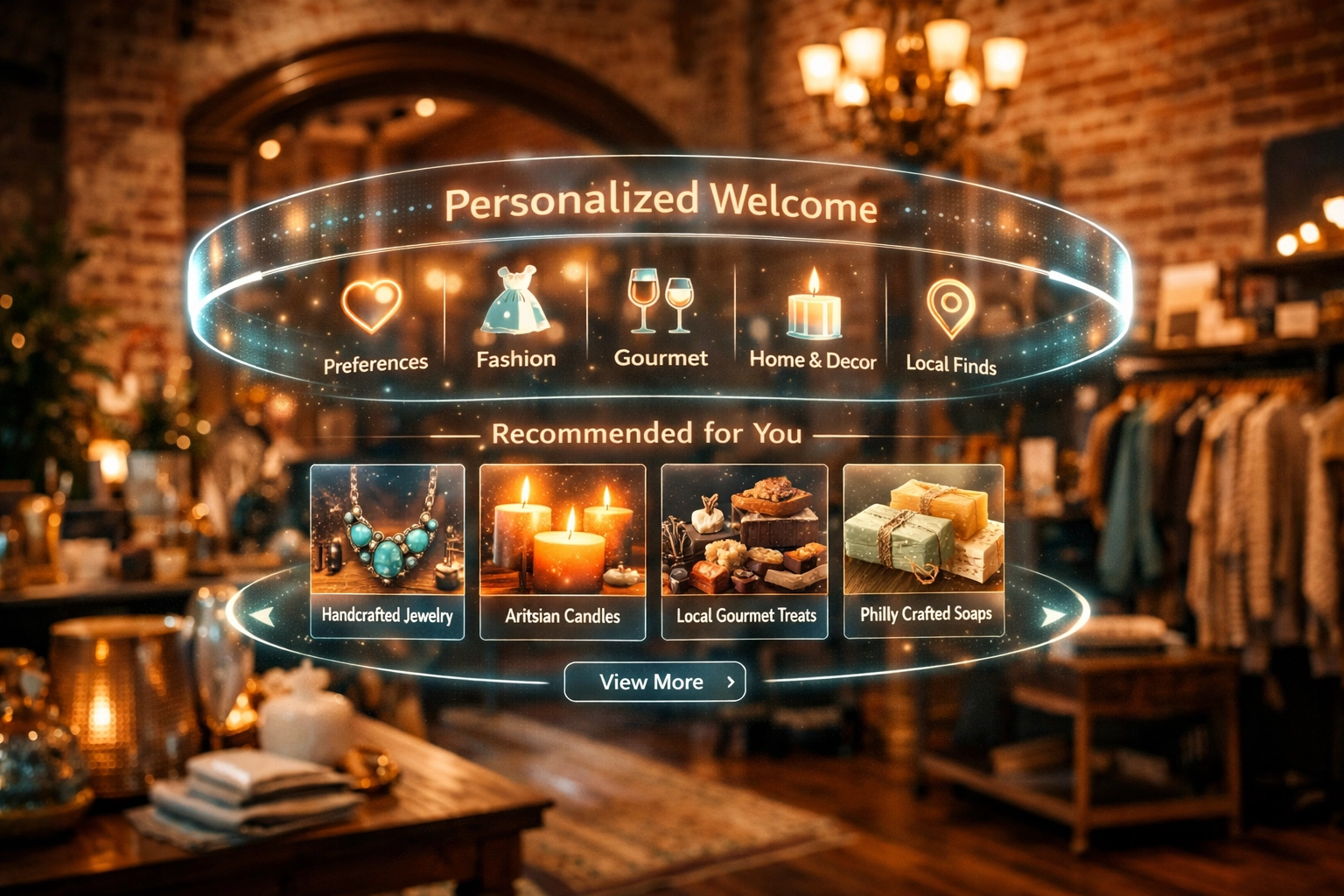
The Secret Sauce: Your CRM is the Brain
To do personalization right, your website needs a brain. That brain is your CRM (Customer Relationship Management) system. Whether you use HubSpot, Salesforce, or a specialized tool for your industry, your CRM holds the "source of truth" for every lead and customer you have.
When you integrate your CRM with your website, you’re allowing the site to pull data in real-time. This allows for:
- Dynamic Content Delivery: If a visitor is tagged in your CRM as a "Past Customer," your website can show them a "Refer a Friend" discount instead of a "New Customer" offer.
- Behavior-Triggered Actions: If someone spends five minutes on your pricing page but doesn't book a call, your CRM can trigger an automated, personalized follow-up or show a specific pop-up offering a quick consultation.
- Lead Scoring: In 2026, we don't treat every lead the same. By syncing website behavior with your CRM, you can automatically prioritize leads that have visited your site three times in the last 48 hours.
This level of AI Automation is what separates modern businesses from those still living in 2020. It's about working smarter, not harder.
How to Actually Implement Personalization (The Philly Way)
You don't need a million-dollar tech budget to start personalizing. For a local Philly business, it starts with identifying the most important touchpoints.
1. Start with Segmented Landing Pages
If you are running PPC Campaigns, don't send everyone to your homepage. Use CRM data to create landing pages that change based on where the user is located or what they searched for. If someone searches for "Web Design Philadelphia," they should see photos of local projects and testimonials from local business owners.
2. Tailored Lead Forms
Gone are the days of 10-field contact forms that everyone hates filling out. Use "Smart Forms" that recognize returning visitors. If you already have their name and email in your CRM, don't ask for it again. Instead, ask them a deeper question about their current project. This improves the user experience and keeps your data clean.
3. Personalized Hero Sections
The "Hero" section is the first thing people see. Using a bit of AI-driven integration, you can change the headline of your site based on the visitor’s industry or previous interactions. If they’ve looked at your "Portfolio" page twice, your hero section could change to: "Ready to start your project? View our latest work in Philadelphia."
Beyond the "Hello": Deep Integration Strategies
Once you have the basics down, you can dive into the deep end of 2026 web tech. This is where your site becomes an actual operations engine.
Webhooks and Real-Time Syncing:
Instead of waiting for a manual export, use webhooks to sync data instantly. When someone fills out a form on your site, that data should hit your CRM, trigger a Slack notification to your sales team, and send a personalized "Thank You" video via email: all in under 60 seconds.
AI-Powered Product/Service Recommendations:
You don't have to be Amazon to recommend products. If you’re a service provider, your site can recommend specific blog posts or service packages based on the pages the user has spent the most time on. If they are reading about Local SEO, your site should offer them an SEO audit, not a logo design package.
Localized Messaging:
For businesses serving different parts of the Delaware Valley, personalization can be geographic. A visitor from Bucks County might see different contact info or regional project highlights than a visitor from South Jersey. This builds immediate trust and "neighborhood authority."
The Foundation: Why Your "Stack" Matters
You can't build a skyscraper on a swamp. To handle these integrations, your website needs to be built on a solid foundation. While we often talk about Hosting Services as a background element, in 2026, the speed and security of your host are what allow these real-time CRM calls to happen without slowing down your site.
If your site takes three seconds to load because it's trying to talk to your CRM, the visitor is gone. Performance is a revenue factor. At BENT Enterprise, we prioritize "Headless" or highly optimized architectures that allow data to flow back and forth instantly.

Avoiding the "Creepy" Factor
There is a fine line between "helpful personalization" and "stalker vibes." In 2026, privacy is a major concern.
- Be Transparent: Always have a clear Privacy Policy.
- Provide Value: Don't just show that you know who they are; use that knowledge to make their life easier.
- Don't Overdo It: You don't need to mention their cat's name just because you saw it on a social media integration. Keep it professional and focused on the business solution.
Getting Started
If you’re still running a static website that looks the same to everyone, you’re leaving money on the table. The technology to integrate your CRM and personalize your visitor's experience is more accessible than ever.
Start small. Pick one thing: maybe it’s a dynamic headline or a smarter contact form: and see how your conversion rates respond. We’ve seen Philly businesses transform their lead generation simply by making their site feel a little more "human" and a lot more relevant.
Ready to turn your website into a personalized sales machine? Let’s talk about how to connect your tools and automate your growth. Head over to our Contact page and let’s build something smart together.
This post is part of our 2026 Web Integration Series. Stay tuned for our next post: "The Hidden Cost of Disconnected Tools (And How to Fix It)."