Francis Burnet
Francis Burnet is a Philadelphia-based SEO expert, WordPress developer, and founder of BENT Enterprise—a digital marketing agency known for building 100-page SEO websites that boost local rankings and grow small businesses online. With over 20 years of experience in web design, local SEO, and Google Business Profile optimization, Francis specializes in helping companies gain visibility in competitive markets. At BENT Enterprise, Francis leads all strategy and development, with a focus on ADA-compliant websites, mobile performance, and high-conversion architecture. His work combines automation, AI integrations, and hands-on consulting to help clients dominate the first page of Google. 📍 Based in Philadelphia, PA 📞 (484) 438-2368 ✉️ cs@bententerprise.com 🌐 https://bententerprise.com Looking for a local SEO consultant or WordPress expert in Philadelphia? Francis Burnet can help your business rank higher and grow faster. Contact BENT Enterprise today.
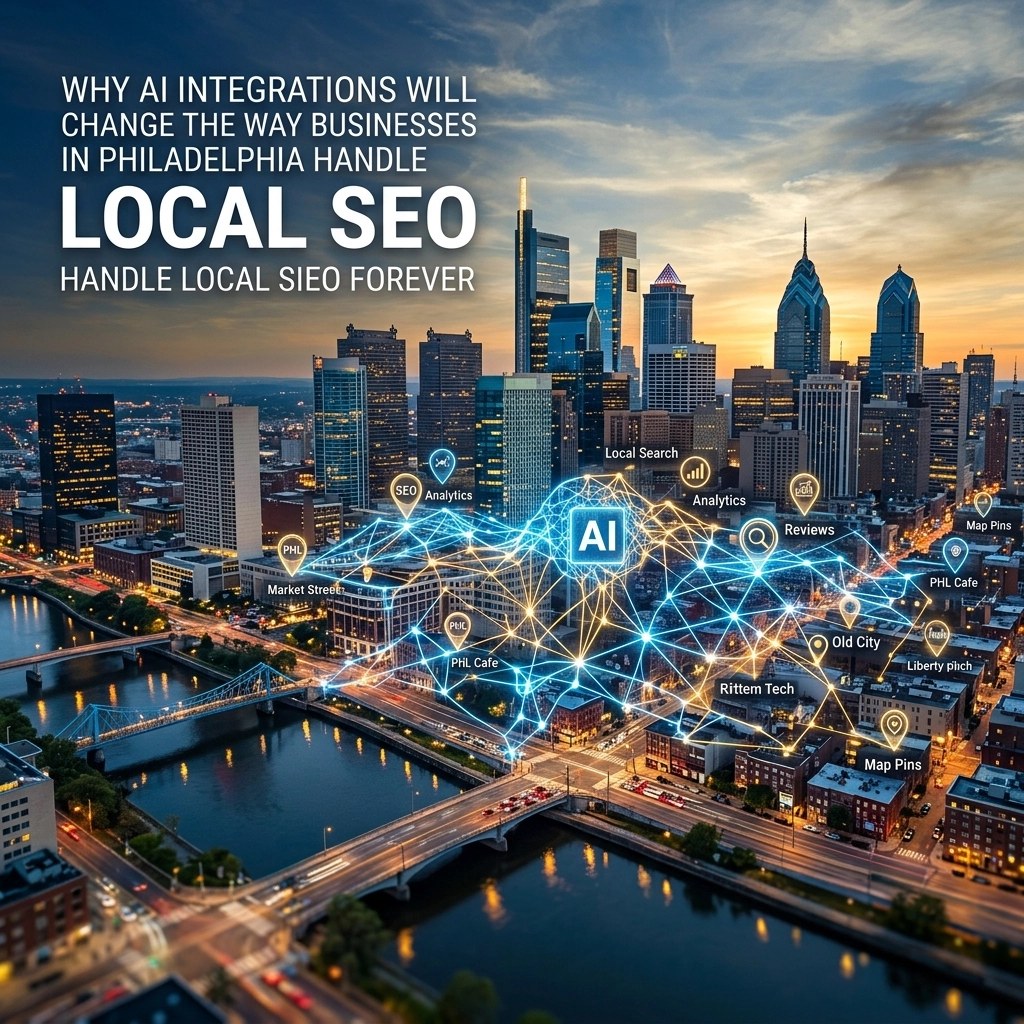
If you’ve spent any time running a business in the City of Brotherly Love, you know that Philadelphia isn't just one big market. It’s a collection of fiercely loyal, distinct neighborhoods. What works for a boutique in Rittenhouse Square won’t necessarily land with a crowd in Fishtown or a homeowner in Manayunk. For years, philadelphia local seo was a game of manual labor. You’d spend hours updating your Google Business Profile, manually tagging photos, and hoping you’d show up in the "Map Pack" when someone searched for your services. But as we move deeper into 2026, the game has changed. At BENT Enterprise, we’ve seen the shift firsthand: AI isn't just a tool for writing emails anymore; it’s becoming the central nervous system of how businesses in philadelphia dominate their local search results. In this installment of our 'AI Integrations & Web Design 2026' series, I’m going to break down exactly why AI integrations are a permanent game-changer and how you can use them to leave your competitors in the rearview mirror. The Shift from Reactive to Predictive SEO Traditionally, SEO has been reactive. You see your rankings drop, you check the data, and you try to fix it....
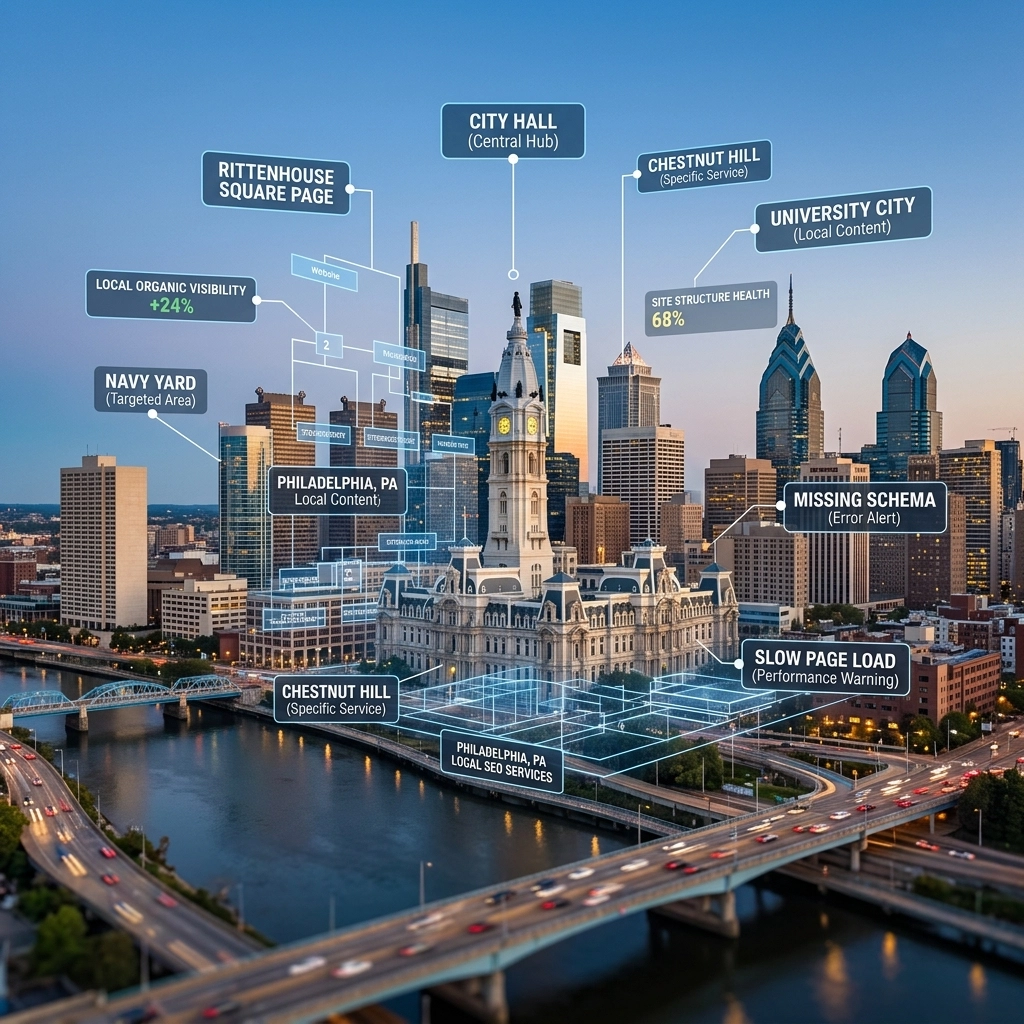
If you’re running a business in Philadelphia: whether you’re a contractor in Fishtown or a boutique agency in Center City: your website is your hardest-working employee. But here’s the truth: most small business websites in 2026 are built like a messy junk drawer. You might think that as long as the site looks "nice," Google will find you. Unfortunately, that’s not how it works anymore. Website architecture: the way your pages are organized and linked together: is the silent engine behind your local SEO. If your architecture is broken, your SEO services will struggle to deliver results, no matter how much content you pump out. At BENT Enterprise, we’ve seen how a few structural tweaks can turn a ghost-town website into a lead-generating machine. Let’s dive into the seven most common mistakes we see Philly business owners making with their site architecture and, more importantly, how to fix them. 1. The "Junk Drawer" Navigation (Too Many Clicks) One of the biggest mistakes we see is a site structure that buries important content. If a potential customer has to click four or five times to find your pricing or your specific service area, they’re going to bounce. Worse, search engine...
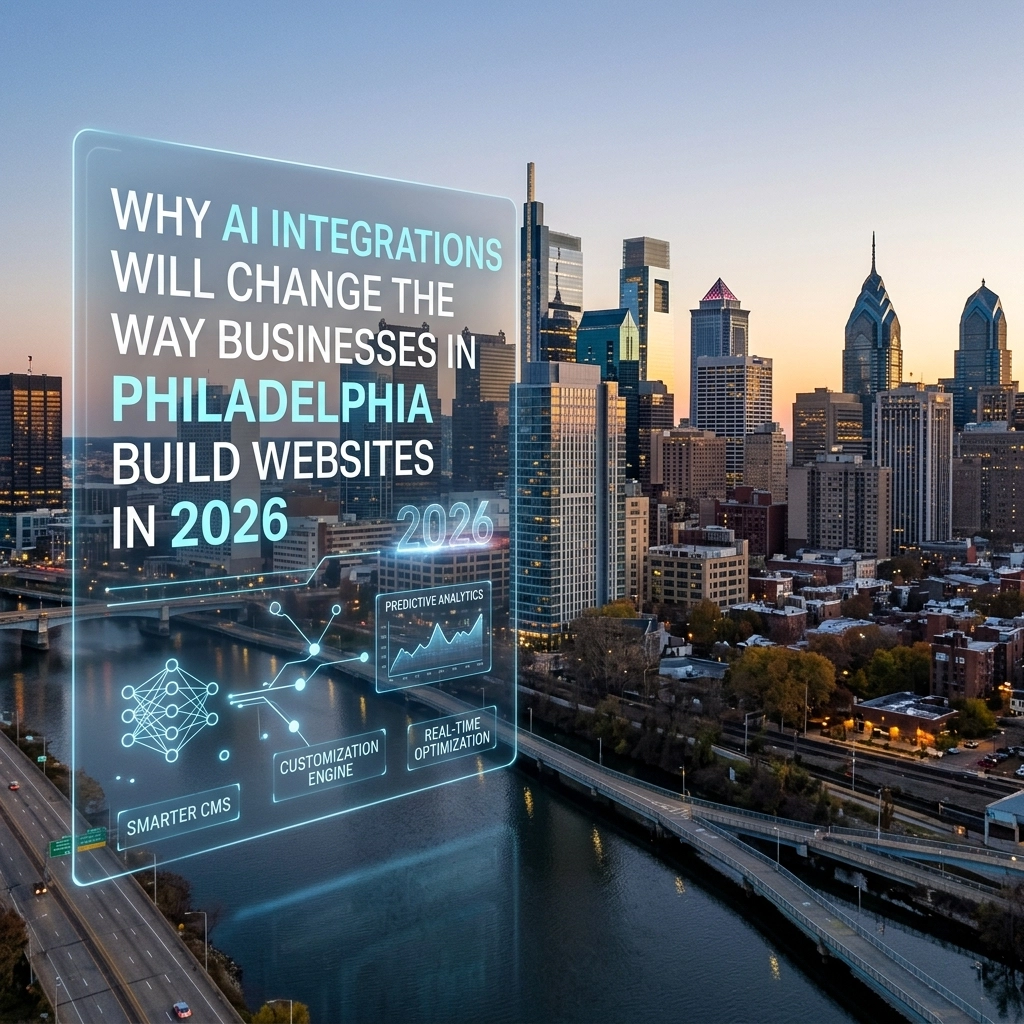
Look, if you’re running a business in Philadelphia in 2026, the digital landscape doesn’t just look different than it did a few years ago, it’s unrecognizable. We’ve moved past the era where a website was just a digital brochure. Today, your website needs to be a living, breathing employee that thinks, reacts, and sells in real-time. I’m Francis Burnet from Brown Paper Analytics, and working alongside the team at BENT Enterprise, I’ve seen firsthand how AI integrations have shifted from "cool gadgets" to "absolute necessities." If you’re still clicking around a clunky site builder from 2020, you’re not just behind the curve; you’re practically invisible to your customers. The End of the "Set It and Forget It" Era Remember when you could hire a guy, launch a site, and check back in six months? Those days are gone. In 2026, businesses in Philadelphia are competing in an environment where user expectations are at an all-time high. AI integration isn't just about adding a chatbot that says "Hello" (though we do that too). It’s about building a foundation where your website understands the intent of the visitor the moment they land on your homepage. Whether you’re a law firm in...
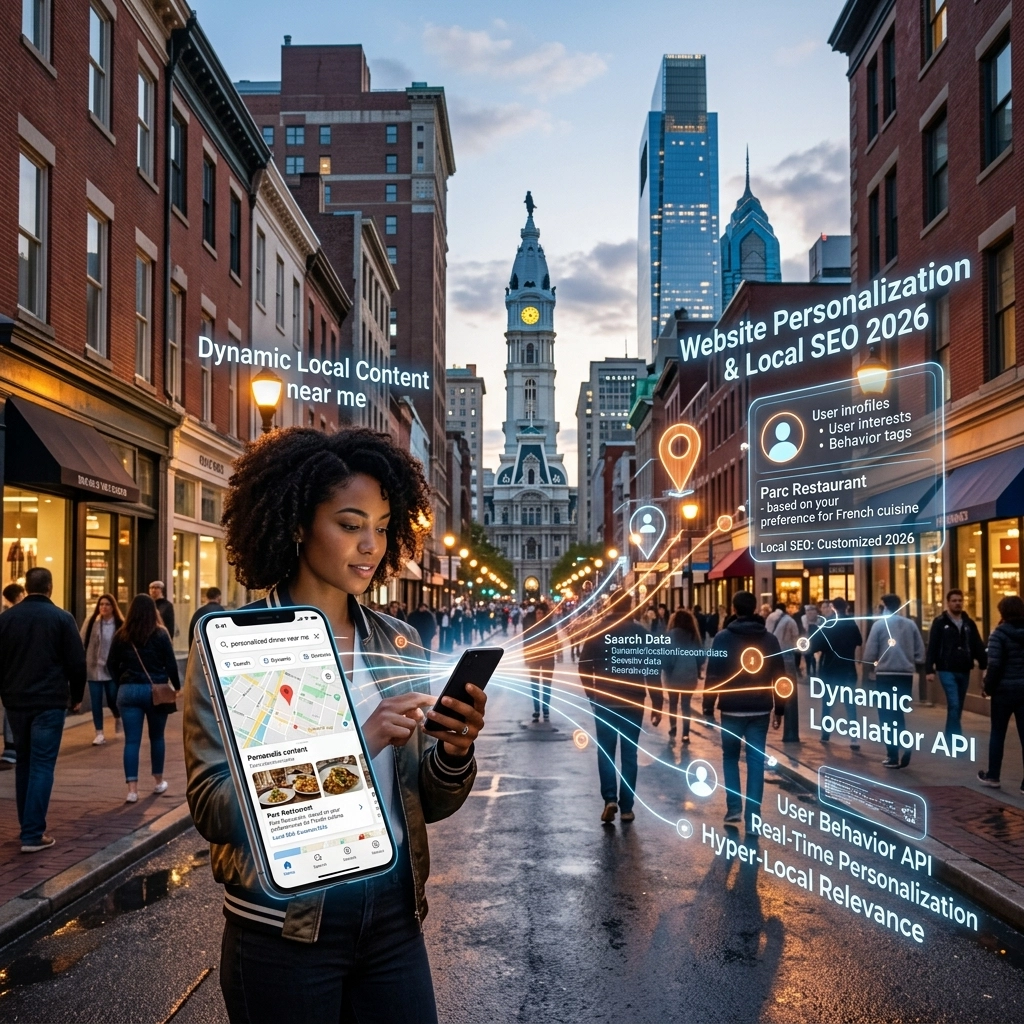
If you’re running a small business in Philadelphia, you’ve likely spent the last few years hearing that "content is king" and "keywords are everything." And for a long time, that was true. You’d hire someone for Local SEO, they’d sprinkle "Best HVAC in South Philly" across your site, and you’d wait for the phone to ring. But we’re in 2026 now. The game hasn't just changed; it’s being played on a completely different field. At BENT Enterprise, we’re seeing a massive shift. The traditional way of doing Local SEO, static pages, generic service descriptions, and basic map citations, is losing its punch. Why? Because search engines and users are demanding something more specific: Website Personalization. In this post, I’m going to break down why personalization is the new backbone of Local SEO services and how you can use AI integrations to turn your website into a lead-generating machine that actually understands your visitors. What Does "Personalization" Actually Mean in 2026? Let’s be real: "Personalization" used to mean putting someone’s first name in an email subject line. In 2026, it’s much deeper. It’s about using real-time data to change what a visitor sees on your website based on who they...
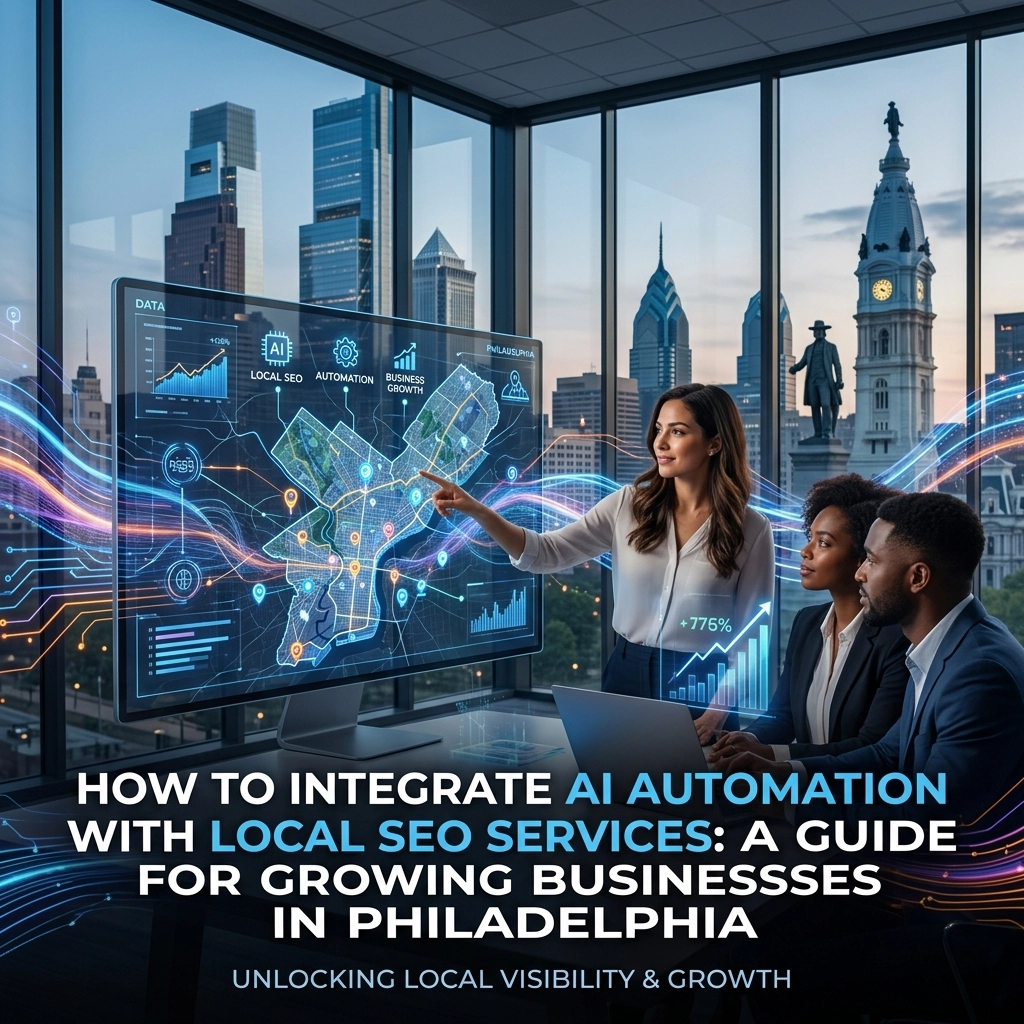
Hey there, Philly business owners! Francis Burnet here from Brown Paper Analytics, checking in from the BENT Enterprise office. It’s Tuesday, March 31, 2026, and if you haven’t looked at your digital marketing strategy since the ball dropped a few months ago, you’re already living in the past. The landscape for businesses in Philadelphia has shifted. We aren't just competing with the shop down the street anymore; we’re competing with algorithms that think faster than a cheesesteak disappears at Dalessandro’s. As part of our AI Integrations & Web Design 2026 series, I wanted to sit down and talk about how we’re using AI automation to supercharge philadelphia local seo, and why your choice of technology might be the only thing holding you back. The Foundation: Why Your "Worst Web Host" is Killing Your Local Rankings Before we dive into the cool AI stuff, we need to address the elephant in the room. You can have the most advanced AI automation in the world, but if you’re stuck with the worst web host on the market, your SEO is dead on arrival. In 2026, Google’s "Local Search" algorithms prioritize Core Web Vitals more than ever. If your site takes three...
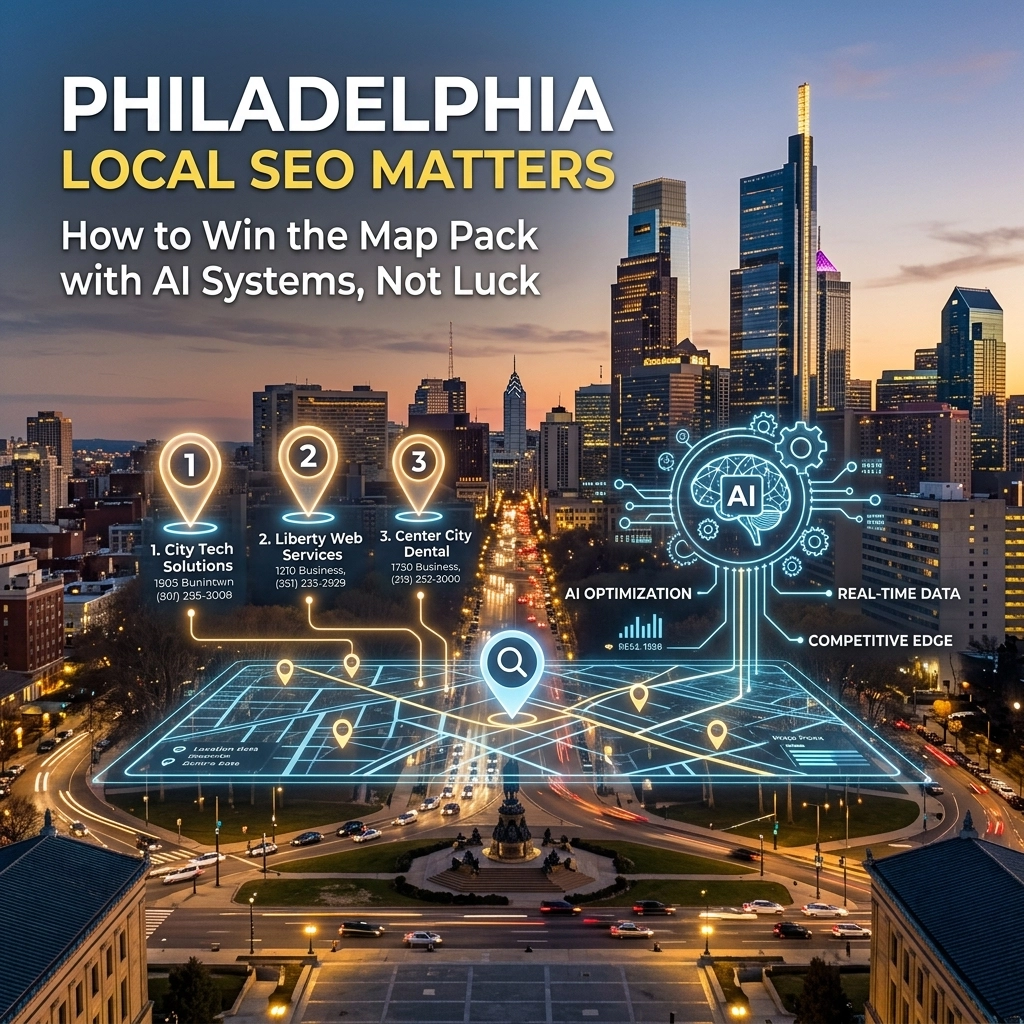
If you’re running a business in Philadelphia, you know the competition isn't just "online": it's on the street. Whether you’re a roofing contractor in Manayunk, a boutique owner in Rittenhouse Square, or an attorney in Center City, your customers are doing the same thing: they’re pulling out their phones and searching for services "near me." When they do that, Google shows them the "Map Pack": those top three local business listings paired with a map. In 2026, getting into that top three isn't a matter of luck, and it’s certainly not something you can achieve by just "having a website." It requires a system. At BENT Enterprise, we’ve moved past the era of manual SEO guesswork. Winning the Map Pack today is about building an AI-driven operating system that works while you’re busy running your business. Here is how we use Local SEO Services and AI integrations to dominate the Philadelphia market. Why the Map Pack is the Only Real Estate That Matters Let’s be honest: when was the last time you scrolled past the map to the tenth blue link on page one? Probably never. The Map Pack captures the vast majority of "high-intent" clicks. These are people...
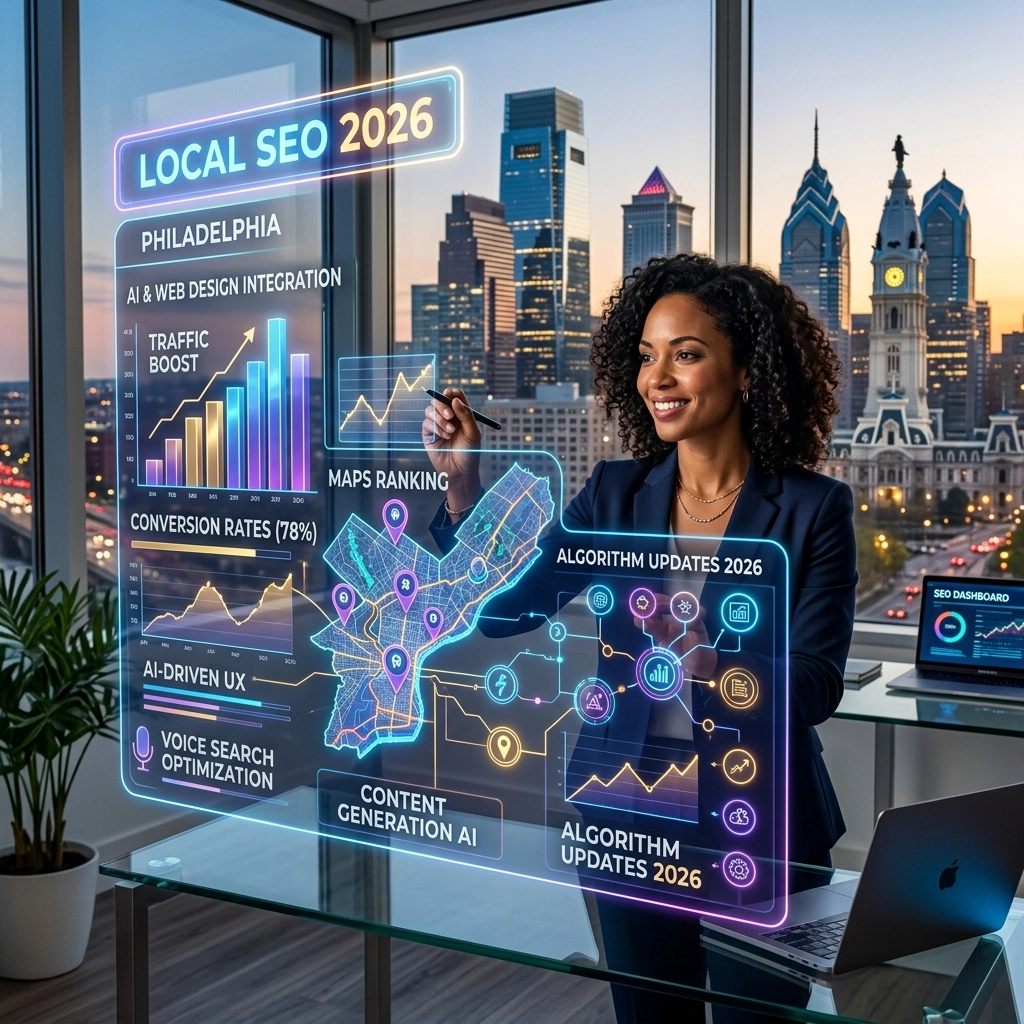
It’s Monday, March 30, 2026, and if you’re a business owner in the City of Brotherly Love, the digital landscape looks a whole lot different than it did even two years ago. I’m Francis Burnet from Brown Paper Analytics, and today I’m stepping into the BENT Enterprise kitchen to cook up some truth about where we are with AI and web design. If you’ve been searching for local SEO services, you’ve likely noticed that a simple "keyword-stuffed" website doesn't cut it anymore. In 2026, the intersection of Artificial Intelligence and high-end web design has created a new gold standard. For businesses in Philadelphia, staying ahead means understanding that your website isn't just a digital brochure, it’s a living, breathing, AI-driven representative of your brand. At BENT Enterprise, we’ve been tracking these shifts closely. Here are the 10 things you absolutely need to know about AI and web design in 2026 to ensure your Philadelphia local SEO strategy actually moves the needle. 1. AI-Driven Personalization is No Longer "Optional" Remember when "personalization" just meant "Hello, [Name]" in an email? Those days are gone. In 2026, AI analyzes visitor behavior in real-time. If a potential client hits your site from a...
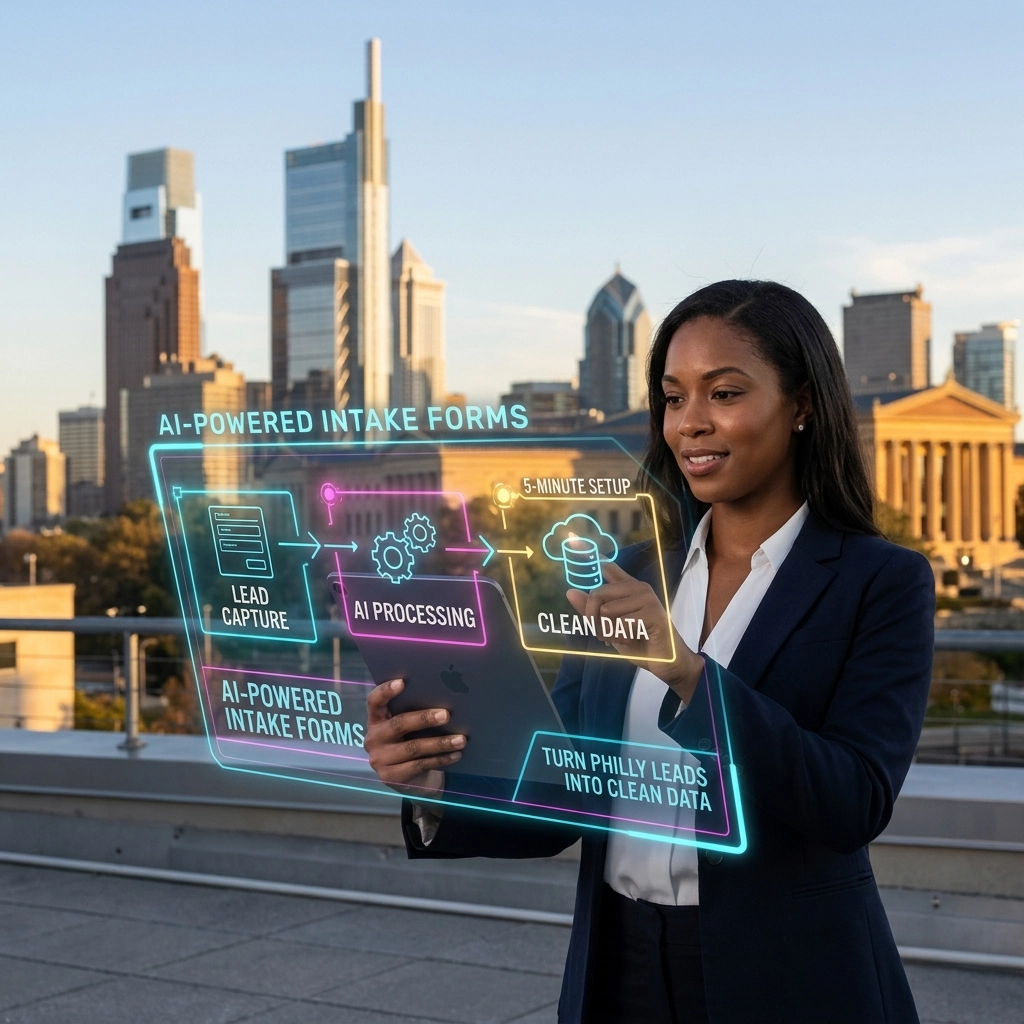
If you’re running a business in Philadelphia, whether it’s a law firm in Center City, a boutique in Fishtown, or a construction crew in South Philly, you know that time is your most valuable asset. You also know the headache of waking up to a generic "Contact Us" email that just says: "I need help. Call me." No context. No budget. No idea what they actually need. In 2026, chasing down leads for basic information isn't just annoying; it’s expensive. Every minute you spend playing phone tag to find out if a lead is even qualified is a minute you aren't closing deals. This is where AI-powered intake forms change the game. We’re moving past static fields and into dynamic, intelligent systems that qualify, sort, and clean your data before you even see it. At BENT Enterprise, we specialize in bridging the gap between "just a website" and an "automated operations engine." Today, I’m going to show you exactly how to build an AI intake form in about five minutes that will transform your lead flow into a stream of clean, actionable data. Why Your Old Forms are Costing You Money The traditional contact form is a relic. It’s...
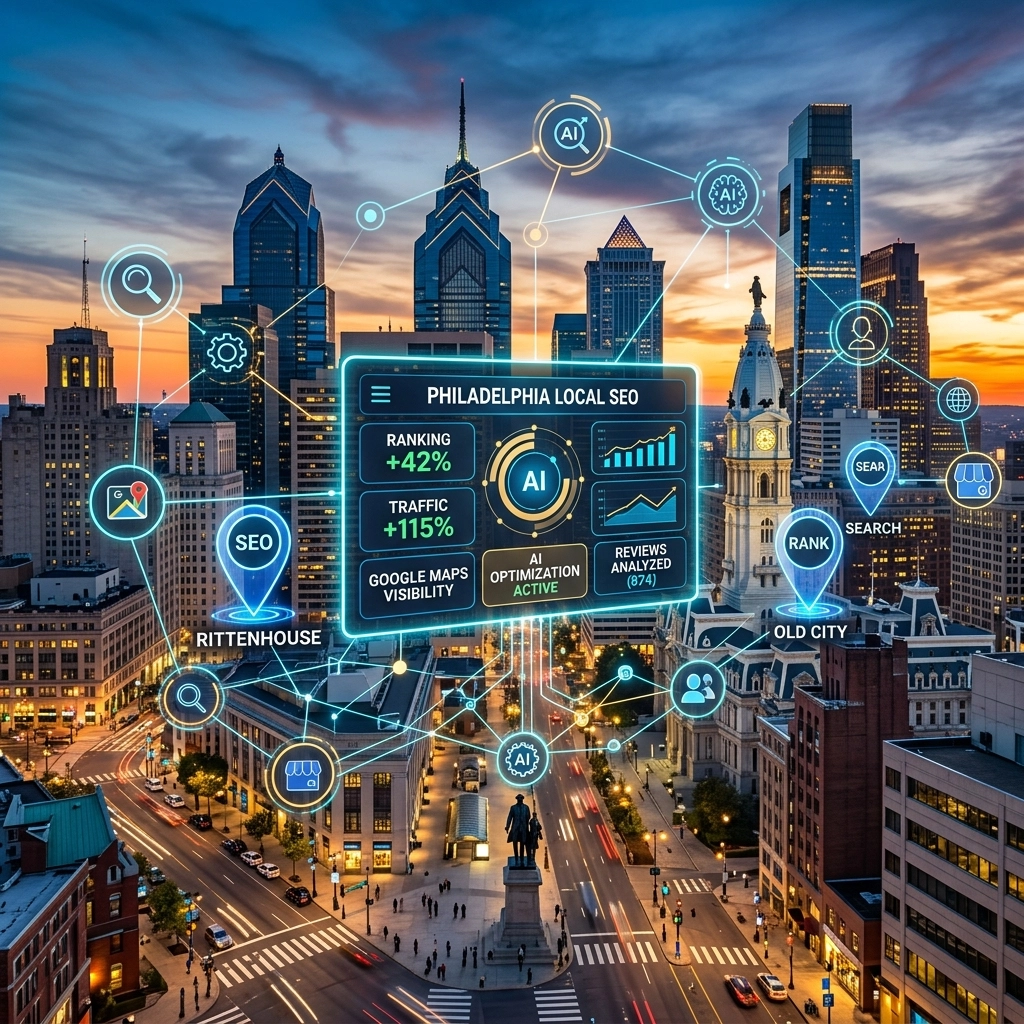
Hey there! Francis Burnet here from Brown Paper Analytics. If you’ve been running a business in the City of Brotherly Love for more than a minute, you know that the competition here is as tough as a Birds fan after a missed field goal. Whether you’re a boutique in Rittenhouse Square, a law firm in Center City, or a contractor serving the Main Line, being visible online isn't just a "nice to have", it’s your lifeline. But let’s be real: managing SEO used to be a full-time headache. You had to manually track keywords, update business hours on twenty different directories, and guess why your competitor suddenly jumped ahead of you in the "Local Pack." Welcome to 2026. Things have changed. As part of our AI Integrations & Web Design 2026 series, I’m breaking down how AI isn’t just a buzzword anymore, it’s the engine that’s going to make Philadelphia local SEO actually manageable (and way more profitable) for your business. The Old Way vs. The AI Way In the past, local SEO was reactive. You’d check your rankings once a month, realize you dropped to the second page, and then scramble to figure out why. By the time...
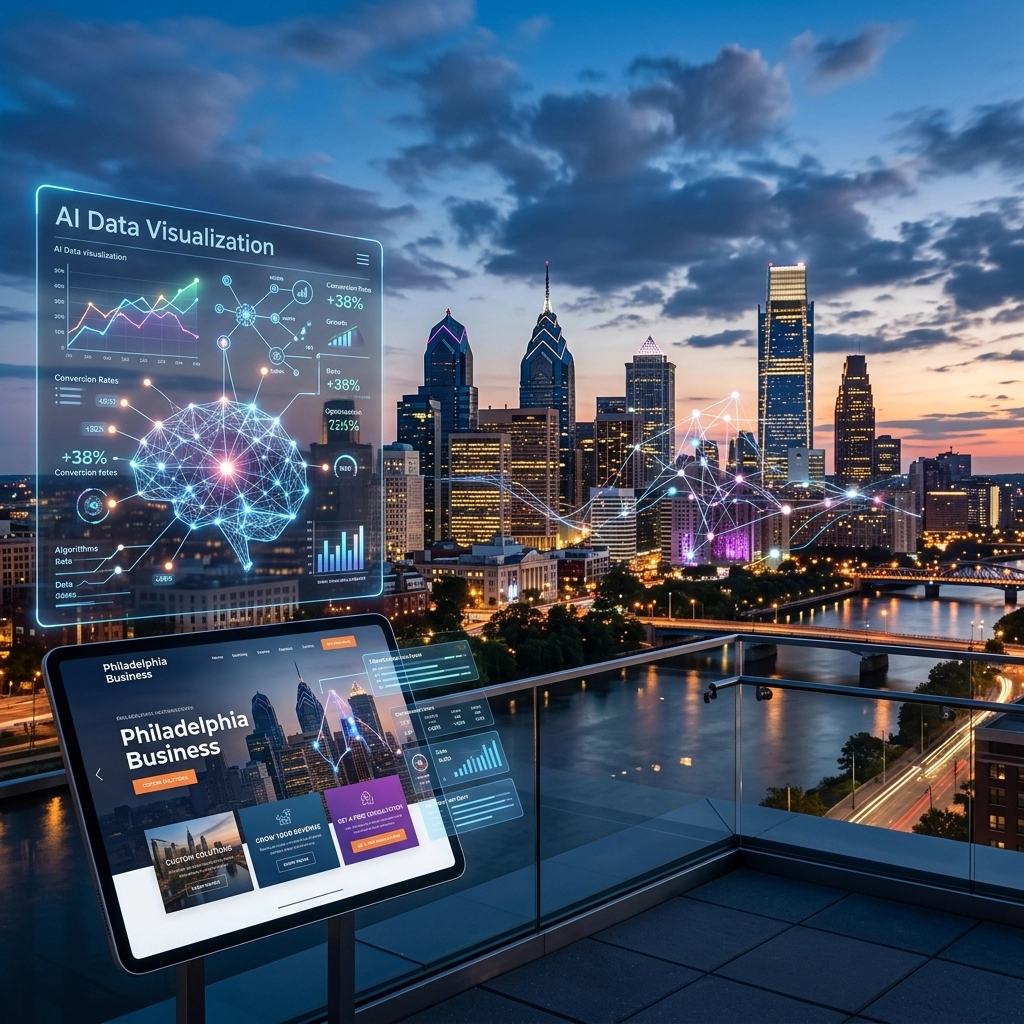
If you’re running a business in Philadelphia: whether you’re a contractor in South Philly, a law firm in Center City, or a tech startup in University City: you already know that the competition is fierce. In 2026, simply having a "nice-looking" website isn't enough. Your website can't just be a digital brochure; it needs to be your most productive salesperson. At BENT Enterprise, we’ve seen a massive shift in how local businesses win clients. The secret sauce? Combining AI-driven custom web design with local expertise. It’s about more than just aesthetics; it’s about using machine learning and automation to understand what your visitors want before they even click a button. In this guide, I’m going to break down how you can leverage these tools to stop losing leads and start closing more deals. Why Static Websites Are "So 2022" Remember when you could just throw up a five-page site with a "Contact Us" form and wait for the phone to ring? Those days are long gone. Today’s customers expect a personalized experience. If a homeowner in Manayunk is looking for emergency plumbing, they don't want to dig through a generic "Services" page. They want to see immediate proof that...