Francis Burnet
Francis Burnet is a Philadelphia-based SEO expert, WordPress developer, and founder of BENT Enterprise—a digital marketing agency known for building 100-page SEO websites that boost local rankings and grow small businesses online. With over 20 years of experience in web design, local SEO, and Google Business Profile optimization, Francis specializes in helping companies gain visibility in competitive markets. At BENT Enterprise, Francis leads all strategy and development, with a focus on ADA-compliant websites, mobile performance, and high-conversion architecture. His work combines automation, AI integrations, and hands-on consulting to help clients dominate the first page of Google. 📍 Based in Philadelphia, PA 📞 (484) 438-2368 ✉️ cs@bententerprise.com 🌐 https://bententerprise.com Looking for a local SEO consultant or WordPress expert in Philadelphia? Francis Burnet can help your business rank higher and grow faster. Contact BENT Enterprise today.
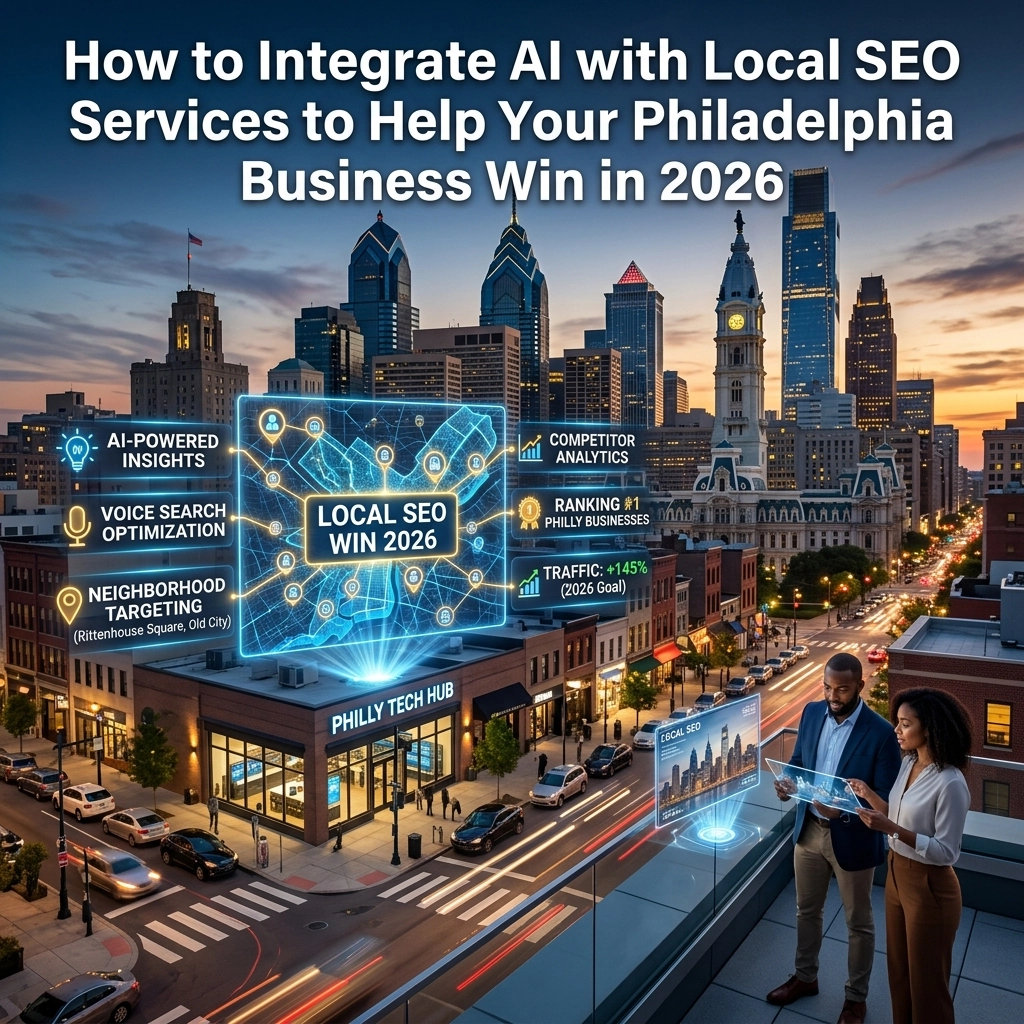
It’s March 2026, and the digital landscape in Philadelphia has shifted. If you’re a business owner in the City of Brotherly Love, you’ve probably noticed that "standard" SEO doesn't pack the same punch it did a few years ago. People aren't just scrolling through ten blue links anymore; they’re asking AI assistants for the best cheesesteak in South Philly or the most reliable HVAC repair in Northeast Philly. To stay ahead, you need to blend the power of Artificial Intelligence with localized expertise. At BENT Enterprise, we’ve seen how philadelphia local seo has evolved from simple keyword stuffing to a complex game of data authority and AI-driven relevance. In this guide, we’re going to break down how you can integrate AI into your strategy to dominate the local market and why sticking with the "old ways": or worse, the worst web host you could find for a bargain: will leave you invisible to your customers. 1. Don't Let a Bad Foundation Ruin Your AI Potential Before we dive into the "smart" stuff, we have to talk about your foundation. AI crawlers and modern search engines prioritize speed, security, and uptime more than ever. One of the biggest mistakes businesses...
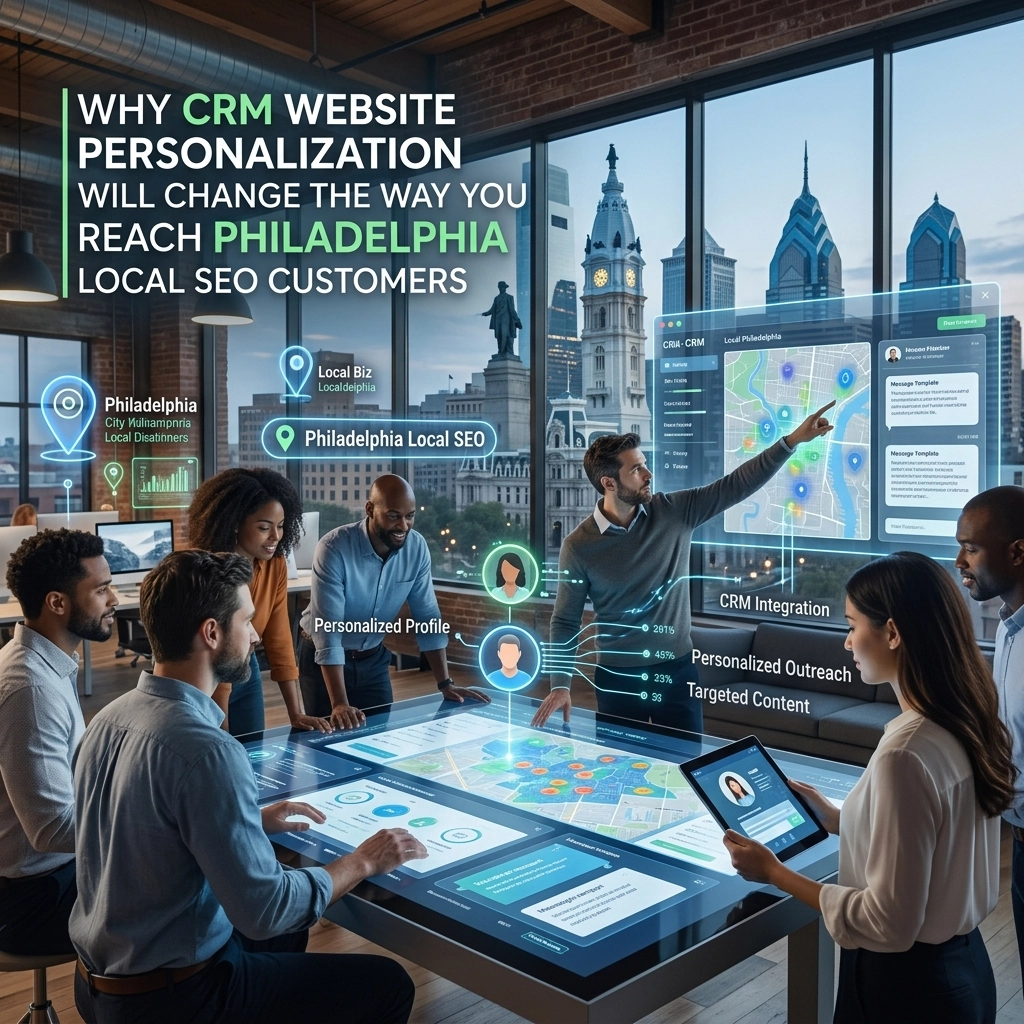
If you’re running a business in Philadelphia, you already know that "local" isn’t just a category: it’s a vibe. Whether you’re serving clients in Fishtown, meeting partners in Center City, or dispatched to a job in the Great Northeast, your customers expect a level of familiarity. They want to know you understand their neighborhood, their specific needs, and their time. But for years, websites have been static. You build a site, it says the same thing to everyone, and you hope your Local SEO services drive enough traffic to make the math work. In 2026, the game has changed. We are officially in the era of CRM-driven website personalization. At BENT Enterprise, we’re seeing this tech move from "nice to have" for giant corporations to "essential" for local small businesses. Let’s break down why connecting your Customer Relationship Management (CRM) tool to your website is the secret sauce for dominating the Philly market. What Exactly is CRM Website Personalization? Before we dive into the "why," let’s talk about the "what." Usually, your CRM (like HubSpot, Salesforce, or even a custom database) and your website live in two different worlds. Your website collects leads; your CRM stores them. They might...
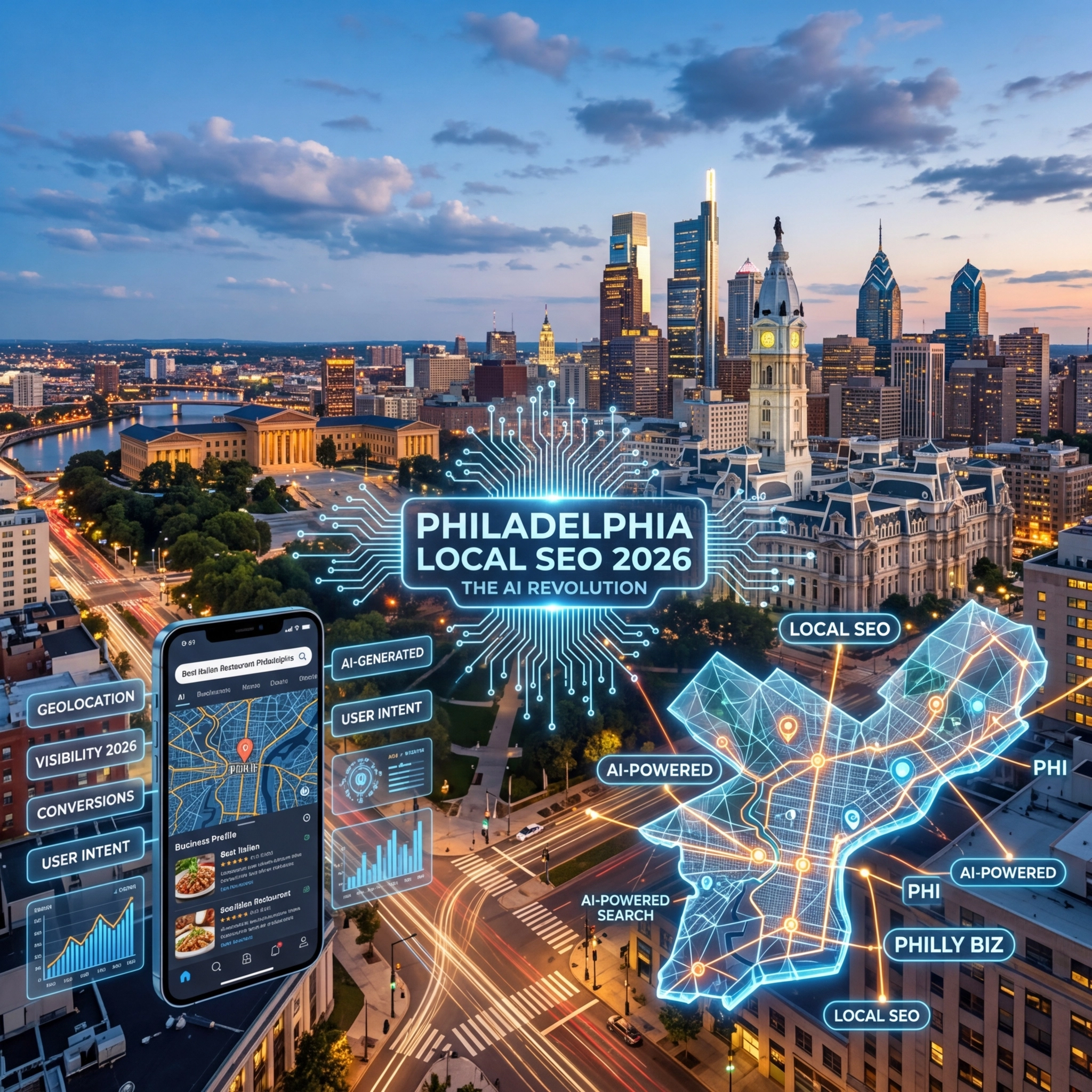
If you walked down Broad Street ten years ago, the digital landscape for businesses in Philadelphia looked a lot like a yellow pages directory moved to a browser. You’d search for "best cheesesteak" or "emergency plumber," and Google would give you a list of names. Simple, right? Fast forward to Friday, March 27, 2026. The game hasn’t just changed; the board has been flipped, the pieces have been replaced by smart sensors, and the players are using AI to predict moves before they even happen. I’m Francis Burnet from Brown Paper Analytics, and here at BENT Enterprise, we’ve been watching the data. People keep asking me: "Francis, does Philadelphia Local SEO even matter anymore now that AI can answer everything?" The short answer? It matters more than it did in 2020. But the way you do it: and the way your website is designed to handle it: is a completely different animal. If you’re still treating your website like a digital brochure, you’re basically signed up with the worst web host for success: obsolescence. The 2026 Reality: Philadelphia is a Hyper-Local Battlefield Philadelphia isn't just one city anymore: not in the eyes of an AI search engine. In 2026,...
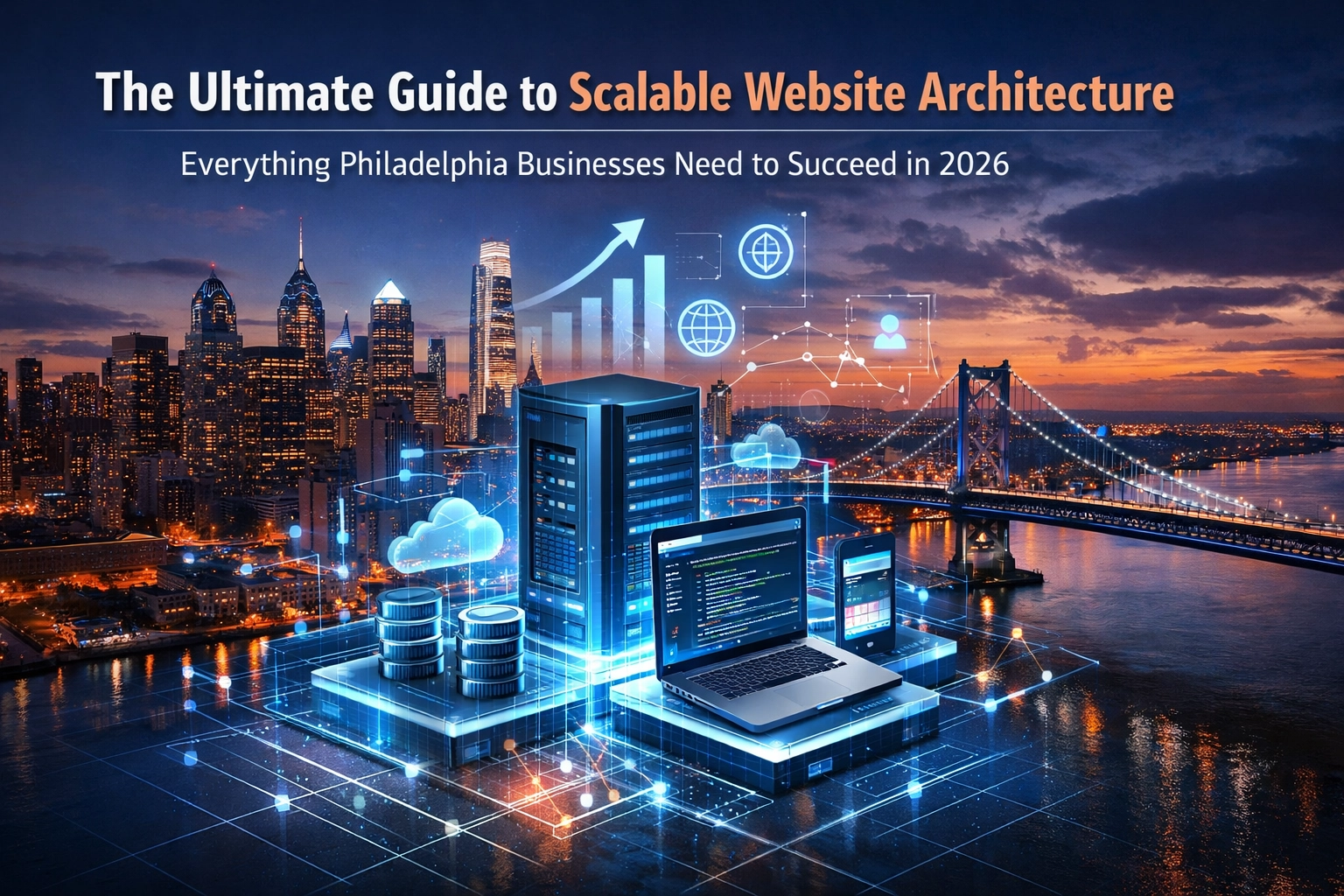
If you’re running a business in Philadelphia: whether you’re a boutique law firm in Center City, a growing HVAC crew in Northeast Philly, or a tech startup in Fishtown: you know that things move fast. By March 2026, "moving fast" doesn't just mean answering emails quickly; it means having a digital foundation that can grow as fast as your ambitions do. We’ve all seen it: a local business gets a huge shoutout on the news or a viral spike on social media, only for their website to crawl to a halt or, worse, crash entirely. But scalability isn't just about handling traffic spikes. In 2026, scalable website architecture is about how well your site connects to your tools, how easily you can add AI features, and how your data flows without you having to manually move it. At BENT Enterprise, we’re seeing a shift. The days of "set it and forget it" websites are over. If you want to win in the Philly market this year, you need a site built like a modular engine, not a static billboard. What Does "Scalable Architecture" Actually Mean in 2026? Think of your website like the Linc on game day. It needs...
Hey there, Philly. Francis Burnet here from Brown Paper Analytics, working alongside the crew at BENT Enterprise. It’s Thursday, March 26, 2026, and if you take a walk down Market Street or grab a coffee in Fishtown, you’ll notice something different about how we do business. The digital landscape isn’t just shifting; it has completely transformed. Gone are the days when a "good website" was just a digital brochure that looked pretty on a desktop. In 2026, the businesses in Philadelphia that are actually winning, the ones seeing real growth and foot traffic, are the ones that have embraced deep AI integration. We’re talking about moving beyond basic chatbots to full-scale AI ecosystems that predict what a customer wants before they even type it into a search bar. At BENT Enterprise, we’ve spent the last few years helping local brands navigate this transition. Whether you’re a boutique event planner or a massive medical logistics firm, the rules for reaching customers have changed. Let’s dive into why AI integrations are the secret sauce for Philadelphia local SEO and how you can avoid being left in the digital dust. The Death of the "Static" Website Remember when you could just throw...
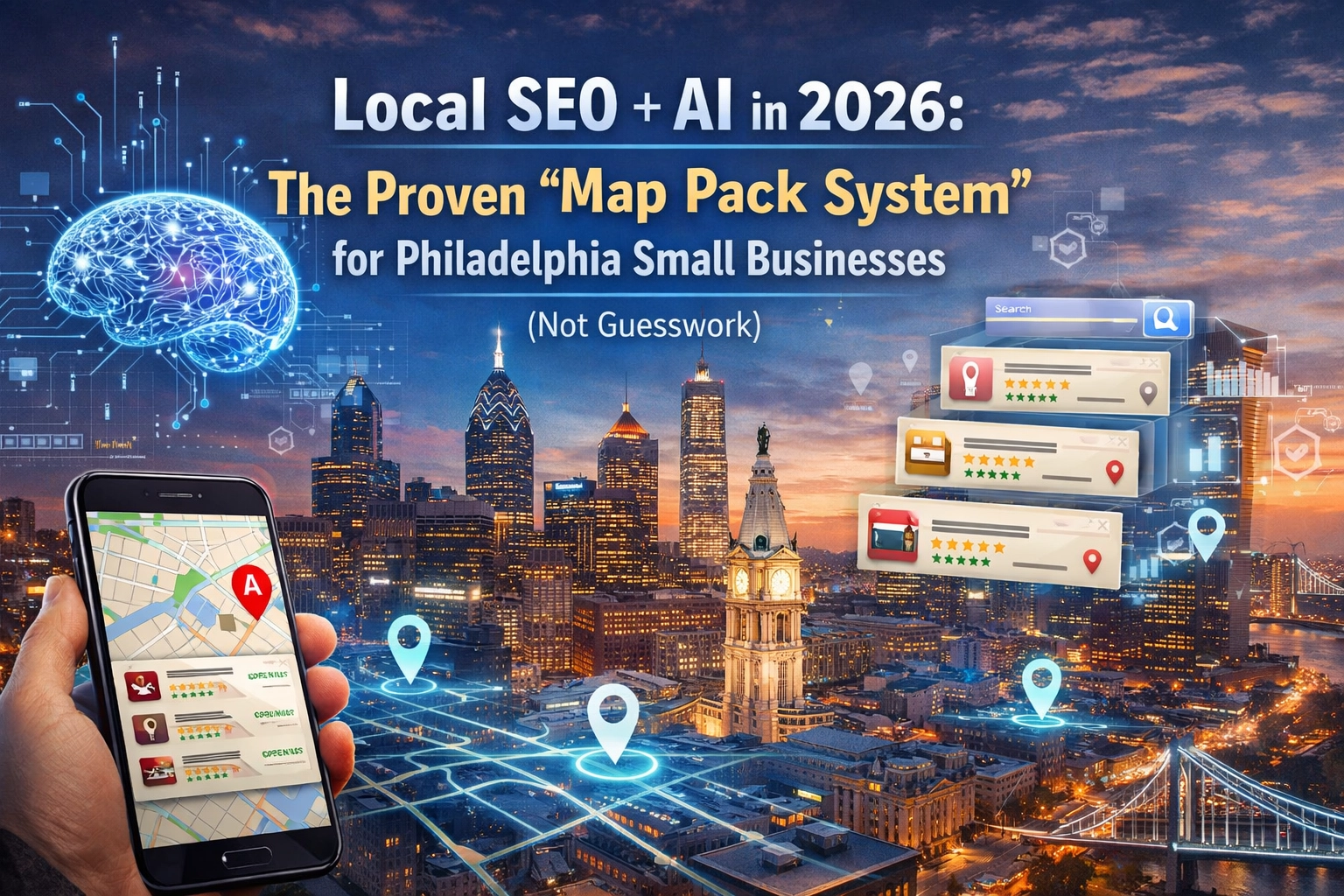
Hey there, Philadelphia business owners. Francis Burnet here from Brown Paper Analytics. It’s March 2026, and if you’ve noticed that your phone isn’t ringing like it used to, or your website traffic looks like a flatline, there’s a reason for it. The rules of Local SEO didn't just change; they were completely rewritten by AI. Back in 2024, you could get away with a decent Google Business Profile and some keyword-stuffed blog posts. Today? Google’s "Search Generative Experience" (SGE) and AI agents like ChatGPT are doing the heavy lifting for customers. If you aren't visible in the "Map Pack" (that box at the top of Google with the map and the top three businesses), you’re basically invisible in the city of brotherly love. At BENT Enterprise, we’ve spent the last year perfecting what we call the “Map Pack System.” It’s a systematic way to dominate Philly local search using AI integrations and high-performance web design. This isn't guesswork. It's data-driven growth. Why 2026 is the Year of “Search Everywhere Optimization” We no longer live in a world where people only "Google it." They ask their car’s AI assistant for the "best cheesesteak near Rittenhouse Square" or tell their phone...
It’s 2026, and if you’re a business owner in Philadelphia, you already know that the digital landscape is moving faster than a SEPTA bus on a clear day. The "old way" of building a website: spending six months in development hell only to launch a site that feels dated by the time it hits the browser: is officially dead. As part of our AI Integrations & Web Design 2026 series, we’re looking at how local businesses can leverage artificial intelligence to not just "get a site," but to dominate the local market. Whether you’re running a boutique in Rittenhouse Square or a construction firm in Northeast Philly, the barrier to entry has changed. But here’s the kicker: just because AI makes it faster doesn't mean it’s automatically better. If you want to stand out, you need a strategy that blends high-tech automation with high-touch local expertise. Here is your quick-start guide to doing it right. 1. Don't Start with Design: Start with Your Foundation Before you even think about AI-generated layouts or color palettes, you have to talk about where your site is going to live. One of the biggest mistakes we see businesses in Philadelphia make is falling...
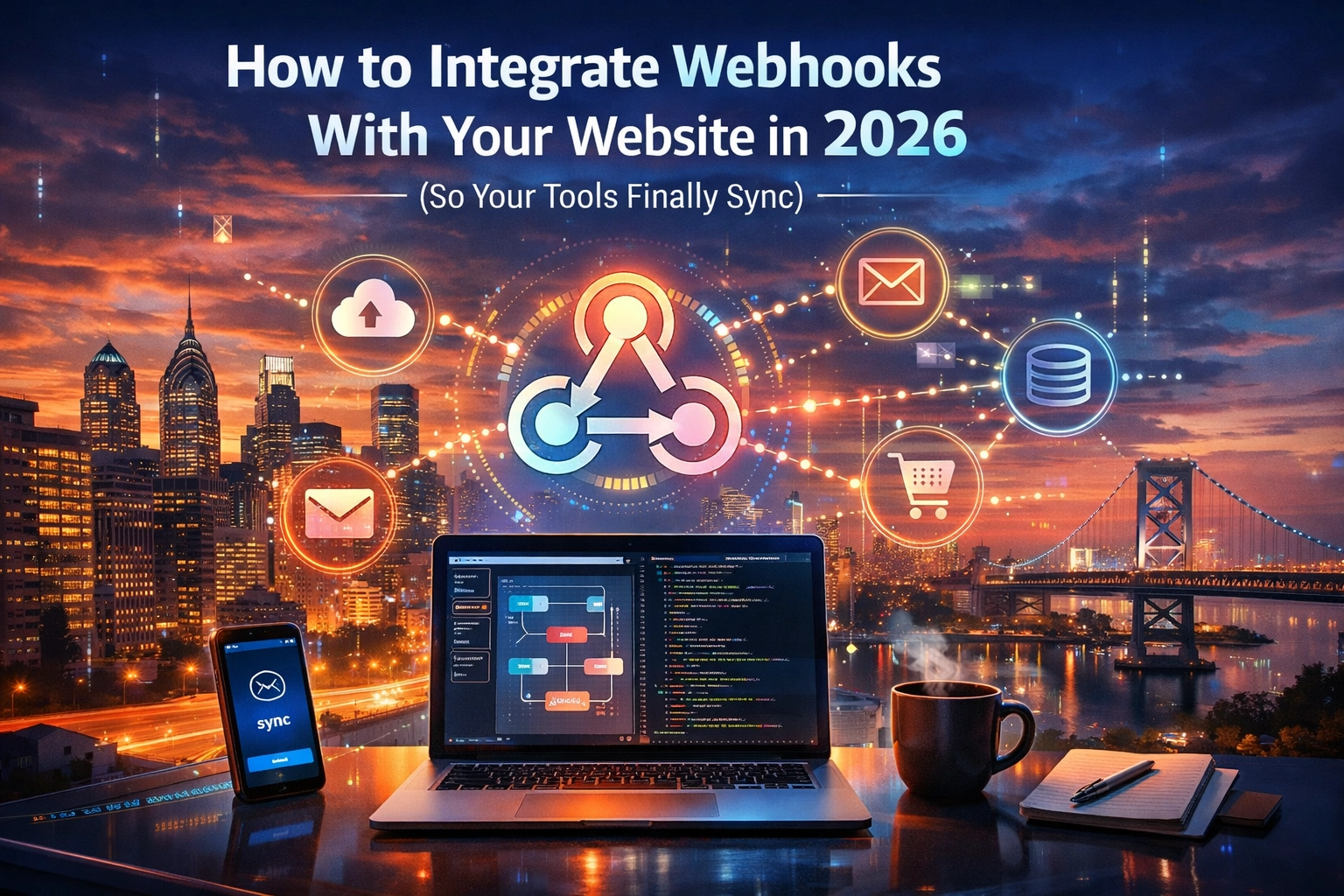
If you’re running a business in Philadelphia: whether you’re managing a law firm in Center City or a boutique HVAC outfit in South Philly: you’ve likely felt the "data gap." You know the one. A customer fills out a form on your website, but then you have to manually copy that info into your CRM. Or a payment hits your Stripe account, but your project management tool has no idea it happened. In 2026, manual data entry isn't just a chore; it’s a competitive disadvantage. Your competitors are using AI to respond to leads in seconds, not hours. To keep up, your tools need to talk to each other. The secret sauce to making that happen? Webhooks. At BENT Enterprise, we spend a lot of time setting up AI Automation Systems for local businesses. We’ve seen firsthand how a single webhook can save a business owner ten hours of admin work a week. Today, I’m going to pull back the curtain and show you exactly how to integrate webhooks with your website so your systems finally stay in sync. What Exactly is a Webhook? (The "Doorbell" Analogy) Before we get into the "how," let’s clear up the "what." Imagine...
Hey there, Philly business owners! Francis Burnet here from Brown Paper Analytics. It’s Tuesday, March 24, 2026, and the digital landscape in the City of Brotherly Love has shifted. If you’re still thinking of your website as a static digital business card, I’ve got some news: the game has changed, and AI is holding the controller. At BENT Enterprise, we’ve been tracking how AI is reshaping web development, and 2026 is officially the year where "smart" design becomes the standard. Whether you’re running a boutique in Rittenhouse Square or a logistics firm near the Port of Philadelphia, staying ahead means embracing AI-driven design. This guide is your roadmap to navigating this new world. The Shift from Static to Self-Optimizing Remember when web design meant picking a template and hoping for the best? Those days are gone. In 2026, the most successful businesses in Philadelphia are moving toward self-optimizing websites. An AI-driven site doesn't just sit there. It watches. It learns. It adapts. By leveraging real-time data on user behavior: like scroll depth, click patterns, and even how long someone pauses over a specific image: AI can rearrange your homepage layout on the fly. If a visitor from Manayunk is...
If you’re running a business in Philadelphia, whether you’re managing a fleet of HVAC vans in Northeast Philly or a boutique law firm in Center City, you know the "Lead Struggle." You spend money on marketing, someone finally hits your site, and they fill out a basic contact form. Then what? You get an email that says "Hi, I need help." Now you’re stuck playing phone tag just to figure out what they actually need. By the time you get them on the line, they’ve already called three other people. In 2026, that manual "copy-paste" workflow isn't just slow; it’s a revenue killer. The good news? You can fix this in five minutes. With AI-powered intake forms, you can turn a generic "Contact Us" page into a smart data engine that qualifies leads, categorizes their needs, and pushes that info directly into your CRM. At BENT Enterprise, we’re obsessed with helping local businesses bridge the gap between "pretty websites" and "functional machines." Here’s how you can build a smart intake system today that actually moves the needle. The Old Way vs. The 2026 Way In the old days (like, two years ago), building a smart form meant hiring a...